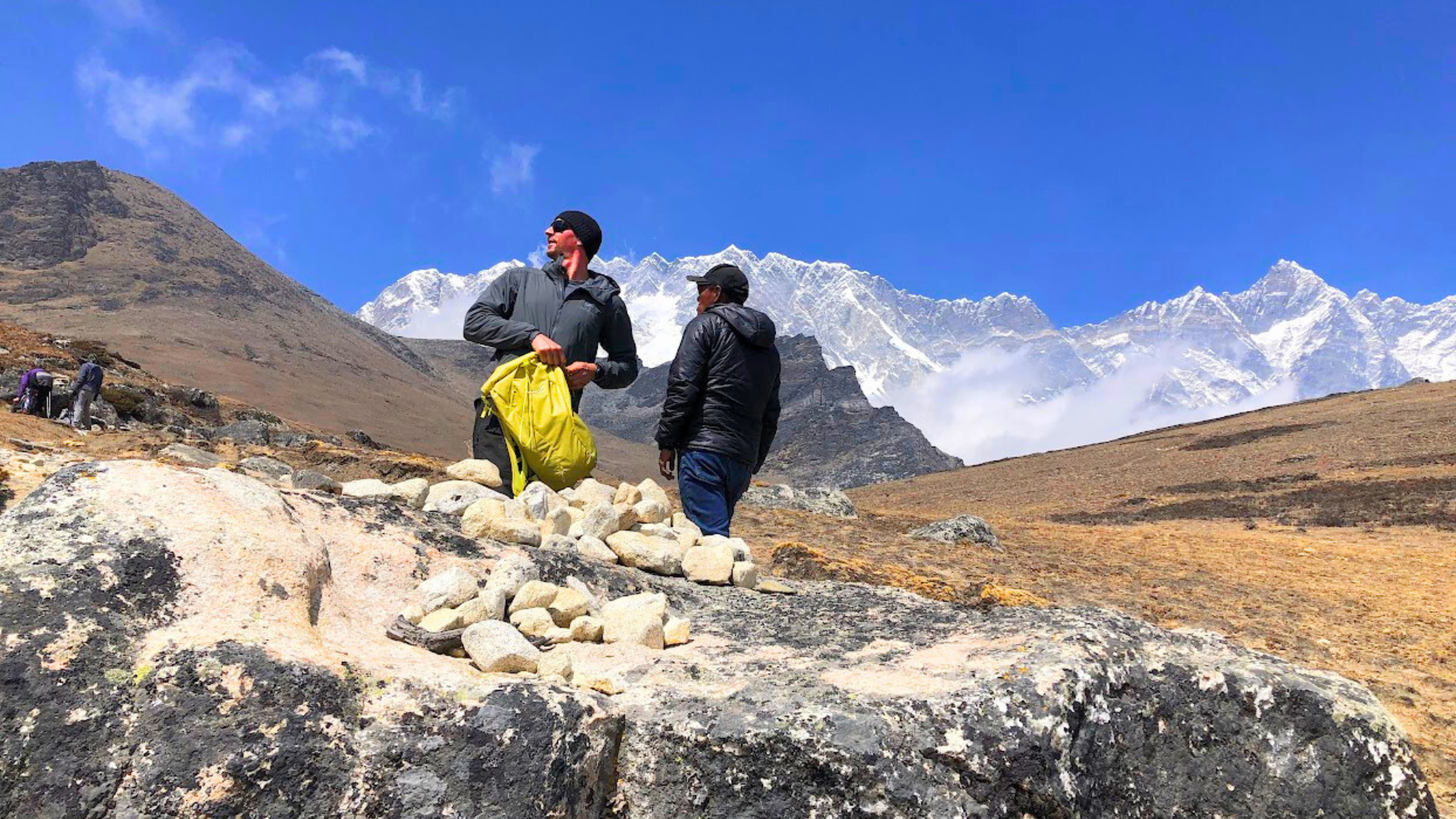
Langtang Valley Trek
The Langtang Valley is Nepal's closest major trekking destination to Kathmandu, a 7-hour drive north through the Trisuli valley delivers you to Syabrubesi, from where the trail begins in subtropical forest and climbs through bamboo groves, rhododendron woodland, and high alpine meadows to one of the finest glacial valleys in the Himalaya.
At Kyanjin Gompa (3,870m), you are inside a horseshoe of 7,000m peaks: Langtang Lirung (7,227m) fills the northern skyline, Gangchenpo (6,387m) and Naya Kanga (5,844m) close the valley to east and west. The half-day hike to Kyanjin Ri (4,773m) gives a 360-degree panorama across glaciers and into Tibet that rivals any viewpoint in Nepal, at a fraction of the altitude demand of Kala Patthar or Thorong La.
The culture is Tamang and Tibetan Buddhist, one of Nepal's most distinct ethnic communities, with a language and material culture closely related to communities across the border. Kyanjin Gompa is a functioning monastery, and the local yak cheese factory produces the finest high-altitude cheese in Nepal. The rebuilt Langtang Village, devastated by the 2015 earthquake, stands as a testament to community resilience, with families returned and lodges fully operational.
While 40,000+ trekkers per year travel to Everest Base Camp and tens of thousands to Annapurna, the Langtang Valley sees a fraction of that traffic despite being closer to Kathmandu than any of them. The trails are quiet, the lodges personal, and the valley largely free of the commercial energy of the more famous routes. For those who value solitude alongside spectacular mountain scenery, Langtang delivers both.
Upcoming departures.
| Start Date | End Date | Price / Person | Availability | |
|---|---|---|---|---|
| No departures match this filter. | ||||
Trek highlights.
Kyanjin Ri (4,773m), 360° panorama of Langtang Lirung, Gangchenpo, and the Tibet border peaks
Kyanjin Gompa, active Buddhist monastery in a glacial valley surrounded by 7,000m giants
Langtang Valley yak cheese factory, the highest cheese factory in Nepal
Tamang and Tibetan Buddhist culture, one of Nepal's most distinct ethnic communities
Just 7 hours by road from Kathmandu, ideal for trekkers with limited time
Far fewer trekkers than Annapurna or Everest, genuine solitude on the trail
Red Panda and Himalayan Tahr habitat in the forests below Kyanjin
The rebuilt Langtang Village, a story of resilience after the 2015 earthquake
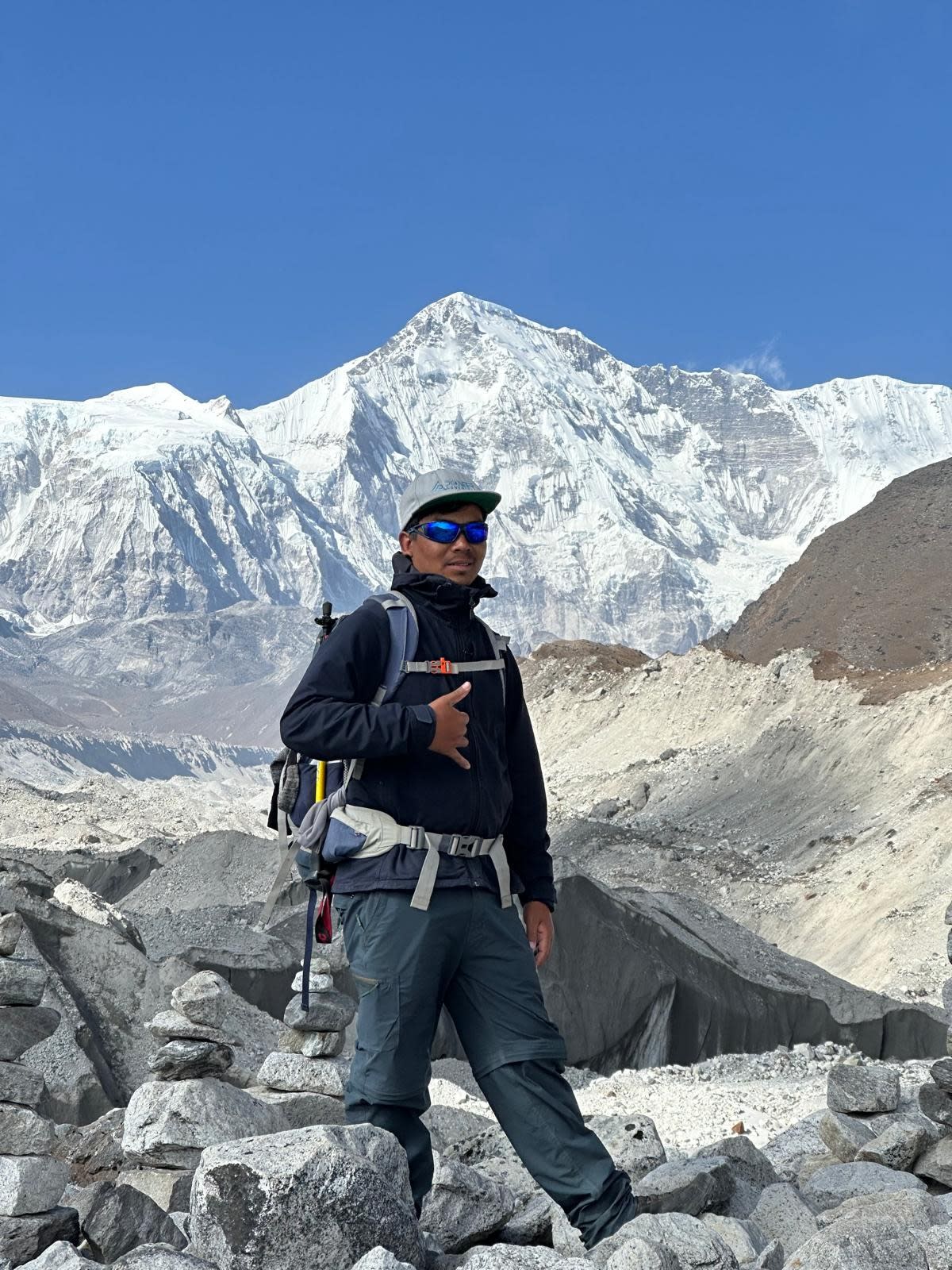
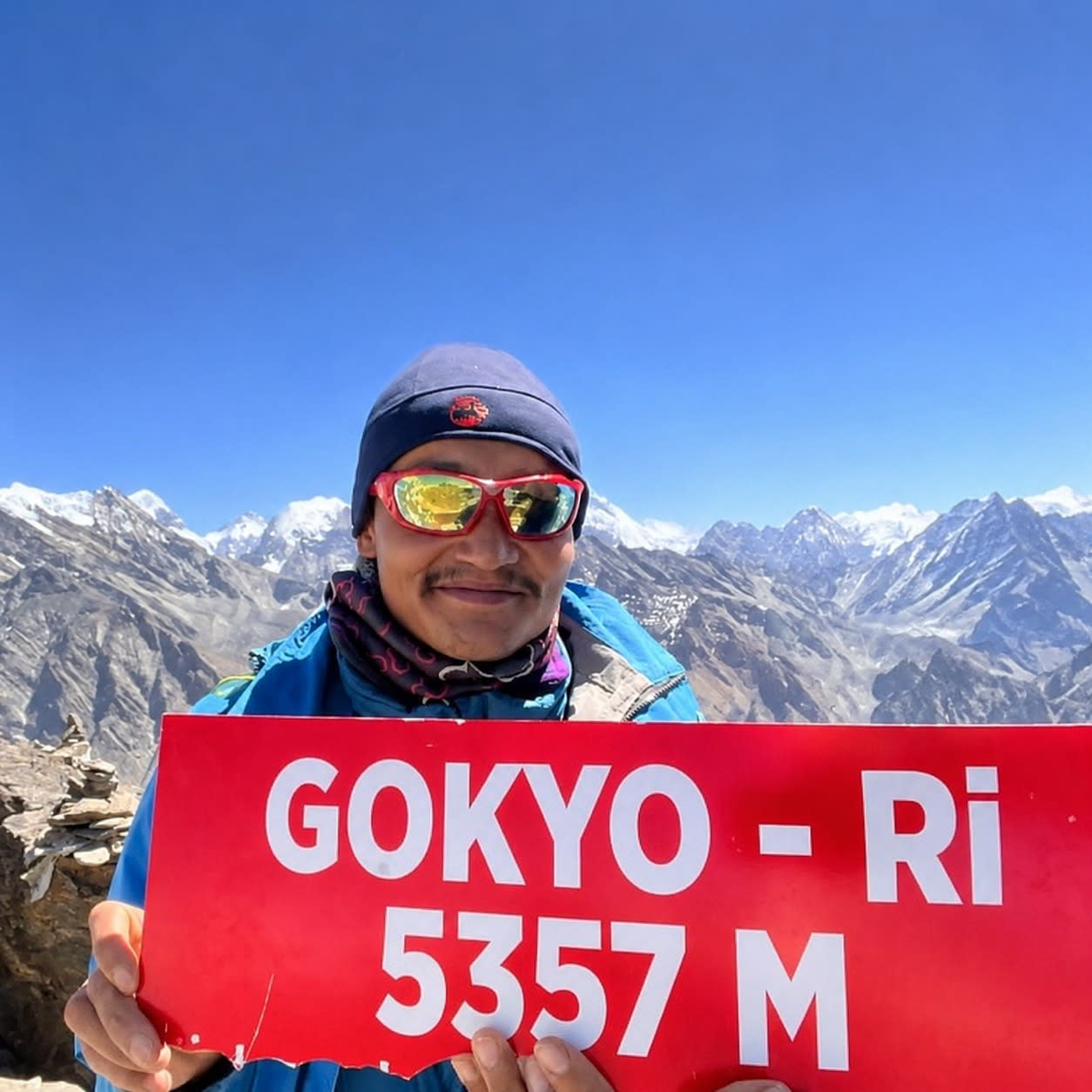
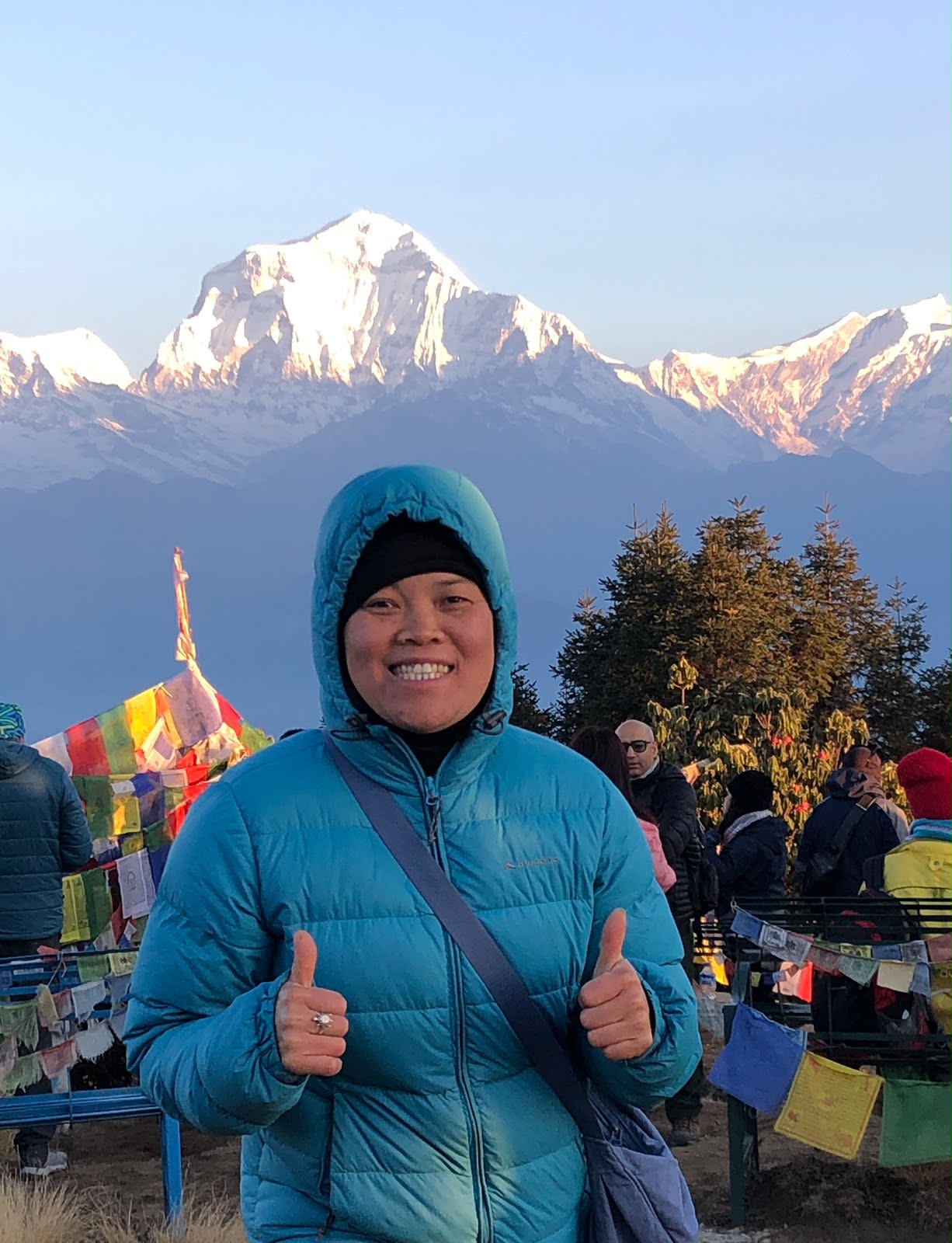
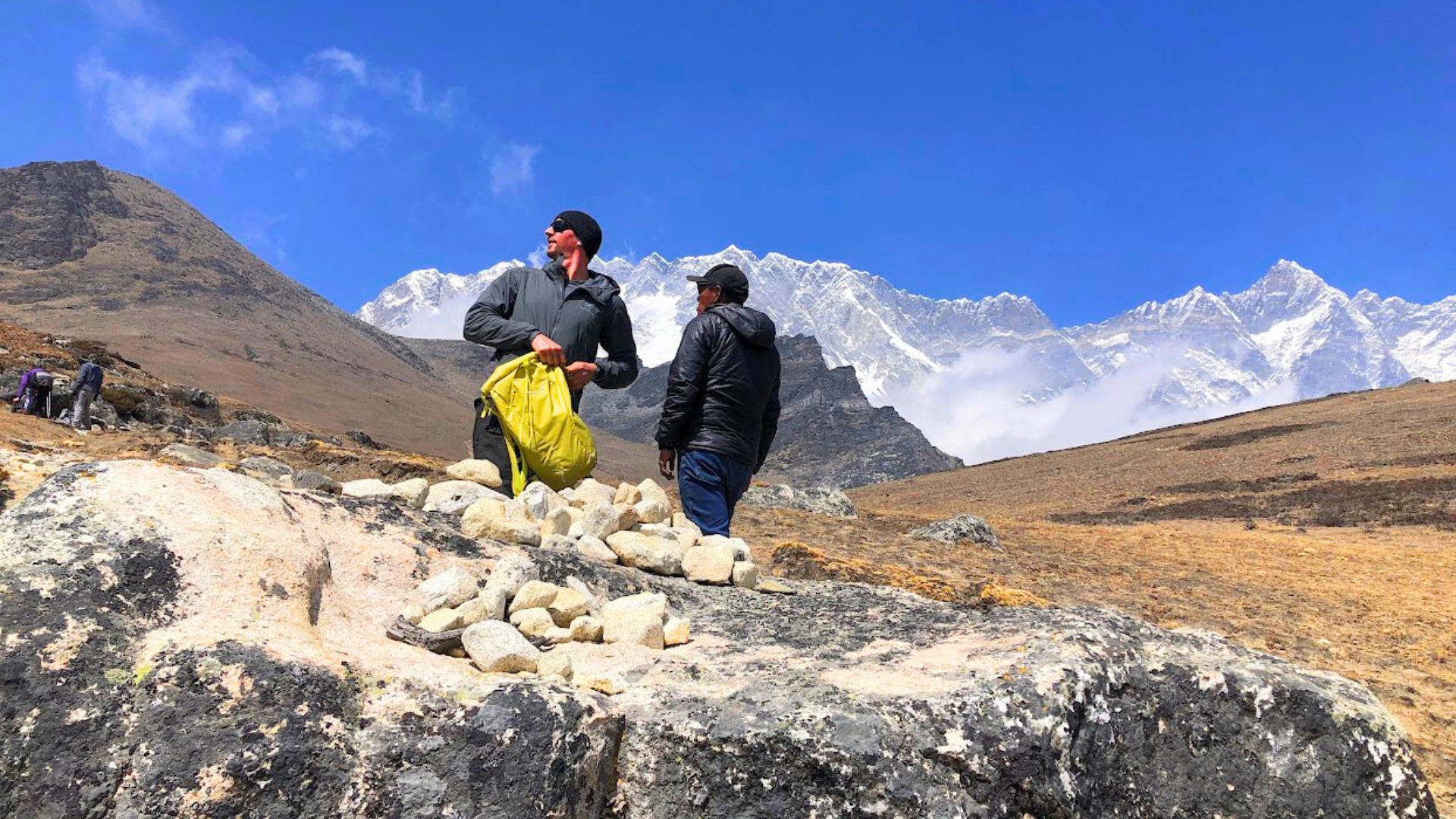
Trek in pictures.
Interactive circuit map.
The full 9-day circuit on a topographic map. Click any marker for details. Switch between Topo, Satellite, and Standard views using the layer control.
9 Days. Every detail planned.
Transparent, all-in pricing.
Included in your price
Not included
Trek altitude at a glance.
How hard is this trek?
Best time for the Langtang Valley Trek.
Weather on the Langtang Valley Trek.
Everything you need to know.
Open any card for in-depth notes on accommodation, food, altitude, permits, money and the small print that matters on the trail.
Your safety, planned in detail.
Altitude is the main risk on this trek. Here is exactly what we carry, who we call, and where the nearest help is at every stage of the route.
Common health risks
- •Mild AMS at Kyanjin Gompa (3,870m) and Kyanjin Ri (4,773m), uncommon but possible
- •Leech bites in the forest zone during monsoon shoulder months (May, September)
- •Muddy trails in spring and autumn shoulder months
- •Cold nights at Kyanjin (-5°C to -10°C Oct–Nov)
- •Knee stress on the steep descent from Kyanjin Ri
Emergency protocols
Helicopter evacuation available from Kyanjin Gompa to Kathmandu (approximately 30 minutes flight). Response time 60–90 minutes once called. Langtang National Park has basic health post at Dhunche. Our guides carry pulse oximeter and emergency first aid kit throughout.
What to pack.
Plan Your Trek
Planning guides for the Langtang Valley Trek
Written by our guides, these cover the permits, altitude, timing, and kit you need before you go.
Common questions.
How do I get to the Langtang Valley trailhead?+
The trek starts at Syabrubesi (1,550m), approximately 7–8 hours north of Kathmandu by private vehicle via the Trisuli River valley road. We arrange the vehicle transfer as part of your package. You leave Kathmandu early morning, pass through Dhunche (the Langtang National Park entry point), and arrive at Syabrubesi by early afternoon. This drive through the Trisuli valley is scenic in its own right. There are no flights involved.
Is the Langtang Valley trek suitable for beginners?+
Yes, Langtang is one of the best introductory Himalayan treks. The maximum altitude on the standard route is Kyanjin Ri at 4,773m, which is accessible to fit beginners. The daily walking distances are manageable (8–17km), the trail is well-marked throughout, and the tea house infrastructure is comfortable. The main requirement is good general fitness, ability to walk 5–7 hours per day over consecutive days. No prior trekking experience is needed.
What altitude does the Langtang Valley trek reach?+
The main valley walk reaches Kyanjin Gompa at 3,870m. From there, a day-hike to Kyanjin Ri reaches 4,773m. The trekking days in the valley range from 1,550m at Syabrubesi to 3,870m at Kyanjin. For comparison, Annapurna Base Camp reaches 4,130m and Poon Hill 3,210m, Langtang's standard altitude profile falls comfortably between the two.
How crowded is the Langtang Valley trek?+
Significantly less crowded than Annapurna or Everest routes, typically 80-90% fewer trekkers on the trail at any given time. This is one of Langtang's main appeals: you get a genuine Himalayan experience without the commercial infrastructure and steady stream of trekkers that characterise the more famous routes. Tea houses are personal and family-run. You may have entire trail sections entirely to yourself, even in peak season.
What happened to Langtang Village in 2015?+
The April 2015 Gorkha earthquake triggered a massive avalanche and landslide that buried most of Langtang Village and killed approximately 350 people, nearly the entire population of the village. The tragedy also killed over 100 trekkers and staff. Since then, the community has rebuilt with significant international support. New lodges have been constructed, families have returned, and the trail infrastructure is fully restored. Trekking here today directly supports the rebuilding community.
What is the yak cheese factory at Kyanjin?+
Kyanjin Gompa has one of Nepal's highest and most famous yak cheese factories, a small cooperative that produces a hard, slightly salty cheese from the milk of yaks grazed on the high meadows. The cheese is available to buy at the factory and has a distinctive flavour unlike any lowland cheese. The factory has been operating since the 1950s (originally with Swiss development assistance) and is a genuine working cooperative, not a tourist attraction.
What permits are required for Langtang?+
Two permits: the Langtang National Park entry permit (NPR 3,000 / approximately USD 23) and TIMS (Trekkers' Information Management System card, NPR 2,000 / approximately USD 15 for group trekkers). We arrange and pay for both permits as part of your package. Bring two passport photos and your passport for permit issuance in Kathmandu before departure.
Can I extend the Langtang trek to Gosaikunda?+
Yes, Gosaikunda (4,380m) is a sacred glacial lake accessible via a high ridge above the Langtang Valley, typically adding 2–3 days to the standard trek. The route crosses Laurebina Pass (4,610m) and is considered moderate-to-challenging. It is a beautiful extension that connects the Langtang Valley with the Helambu region for a full circuit. We can add this as a custom extension, contact us for pricing and itinerary.
What wildlife might I see on the Langtang Valley trek?+
The forest zone between Syabrubesi and Lama Hotel is excellent habitat for wildlife. Langur monkeys are commonly seen. Red panda (critically endangered) live in the bamboo and rhododendron forest and are occasionally spotted at dawn, your guide will know the best spots. Himalayan tahr (a wild goat) graze on the higher slopes. Himalayan black bear inhabit the valley but are rarely seen. Birdlife is exceptional, particularly in spring when migrants pass through, danphe (Himalayan monal, Nepal's national bird), blood pheasants, and numerous Himalayan songbirds.
What is the best time of year for the Langtang Valley trek?+
March to May (spring) and September to November (autumn) are the best seasons. Spring offers rhododendron blooms in the forest zone (March–April peak), clear mornings before afternoon cloud builds, and mild temperatures. Autumn (October) gives the most stable clear weather with excellent mountain views and the crispest light. November is colder but still clear and uncrowded. Summer (June–August) is monsoon season, the lower valley becomes very wet and leeches are present on the trail, though the valley itself remains accessible.
Built different. On purpose.
Named guide before you book
Name, photo, licence number and WhatsApp. The same guide meets you at the airport and finishes the trek with you.
100% private, zero strangers
Your group, your pace, your schedule. We have never placed strangers together on a private trek. Not once.
Transparent all-in pricing
Permits, guide, porter, accommodation and all meals included. What you see is what you pay — no upsells on the trail.
60-day free cancellation
No deposit to hold your date. Full refund up to 60 days before departure, no questions asked.