
 Moderate
Annapurna
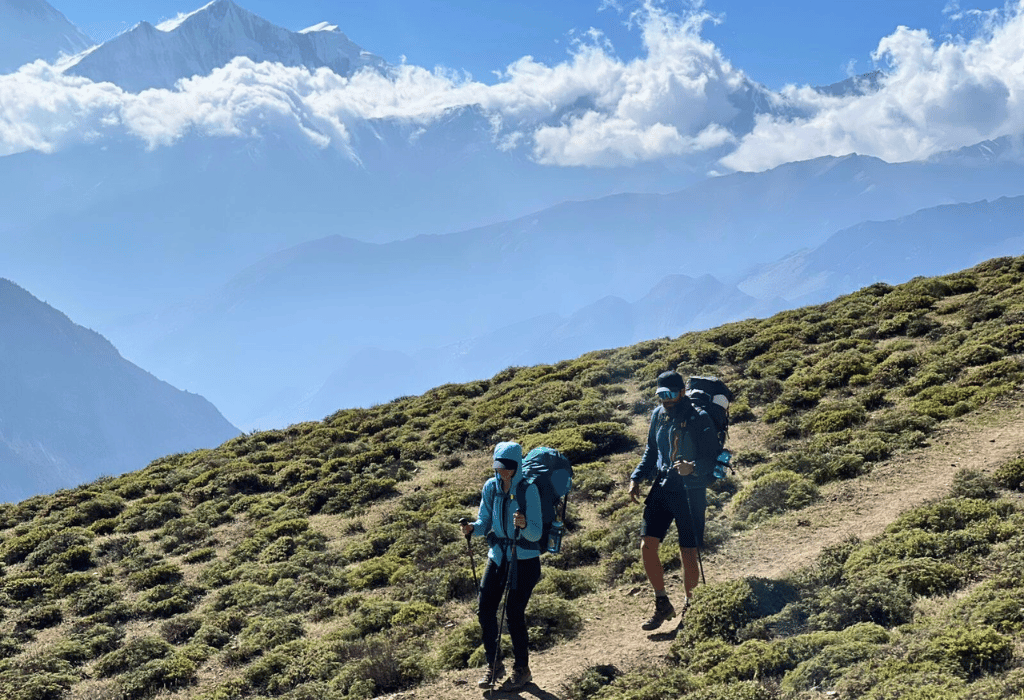
Annapurna Base Camp Trek
Stand inside the Annapurna Sanctuary at 4,130 m, enclosed by nine peaks above 6,000 m
11–13 days
4,130m
Max 12
From
$890 /person
Nepal Trekking
Nepal's most diverse trekking region — from the world-famous Annapurna Circuit to the sanctuary that inspired the phrase 'cathedral of peaks'.
ModerateAnnapurna
Stand inside the Annapurna Sanctuary at 4,130 m, enclosed by nine peaks above 6,000 m
11–13 days
4,130m
Max 12
From
$890 /person
 Easy
EasyAnnapurna
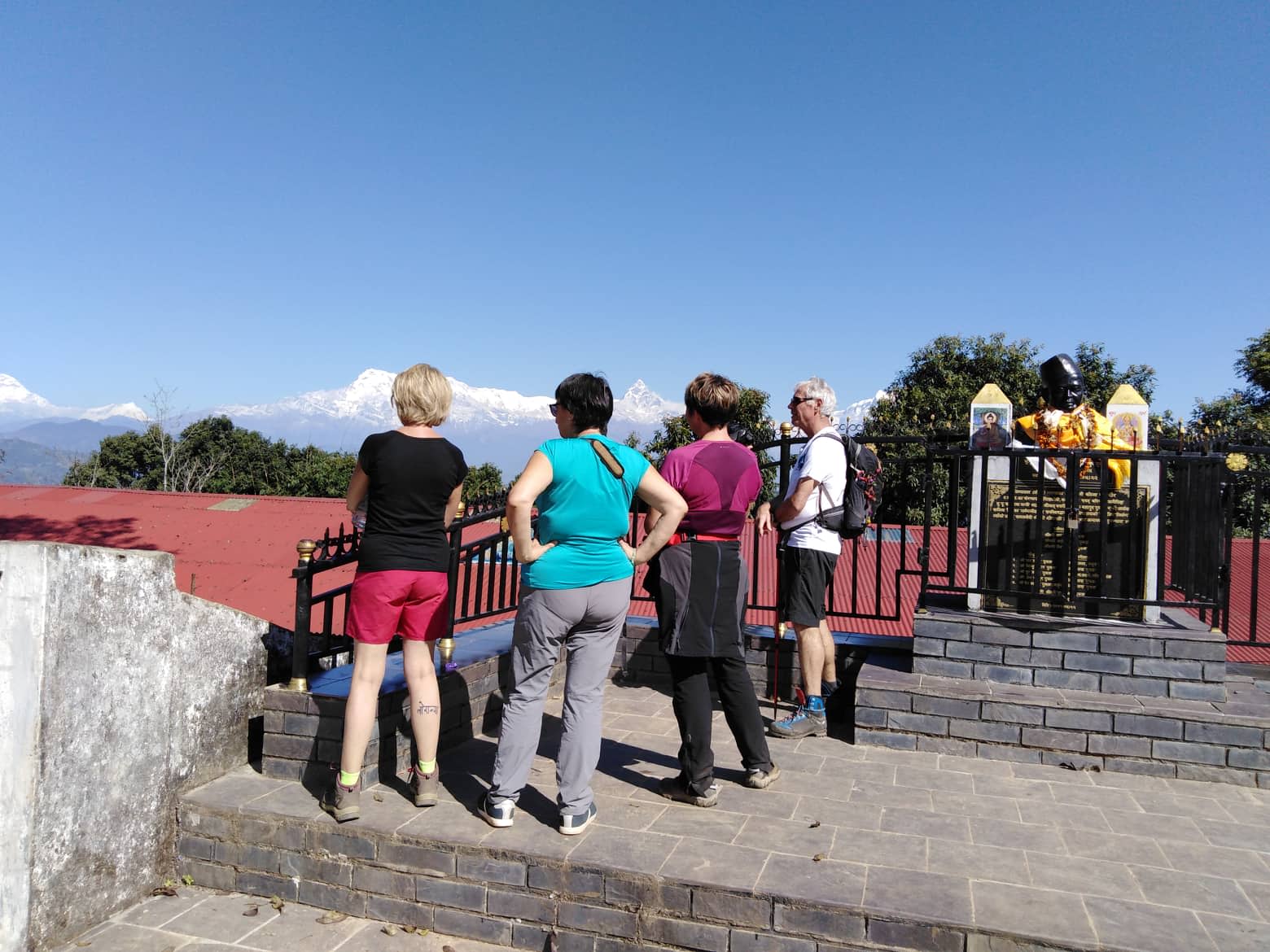
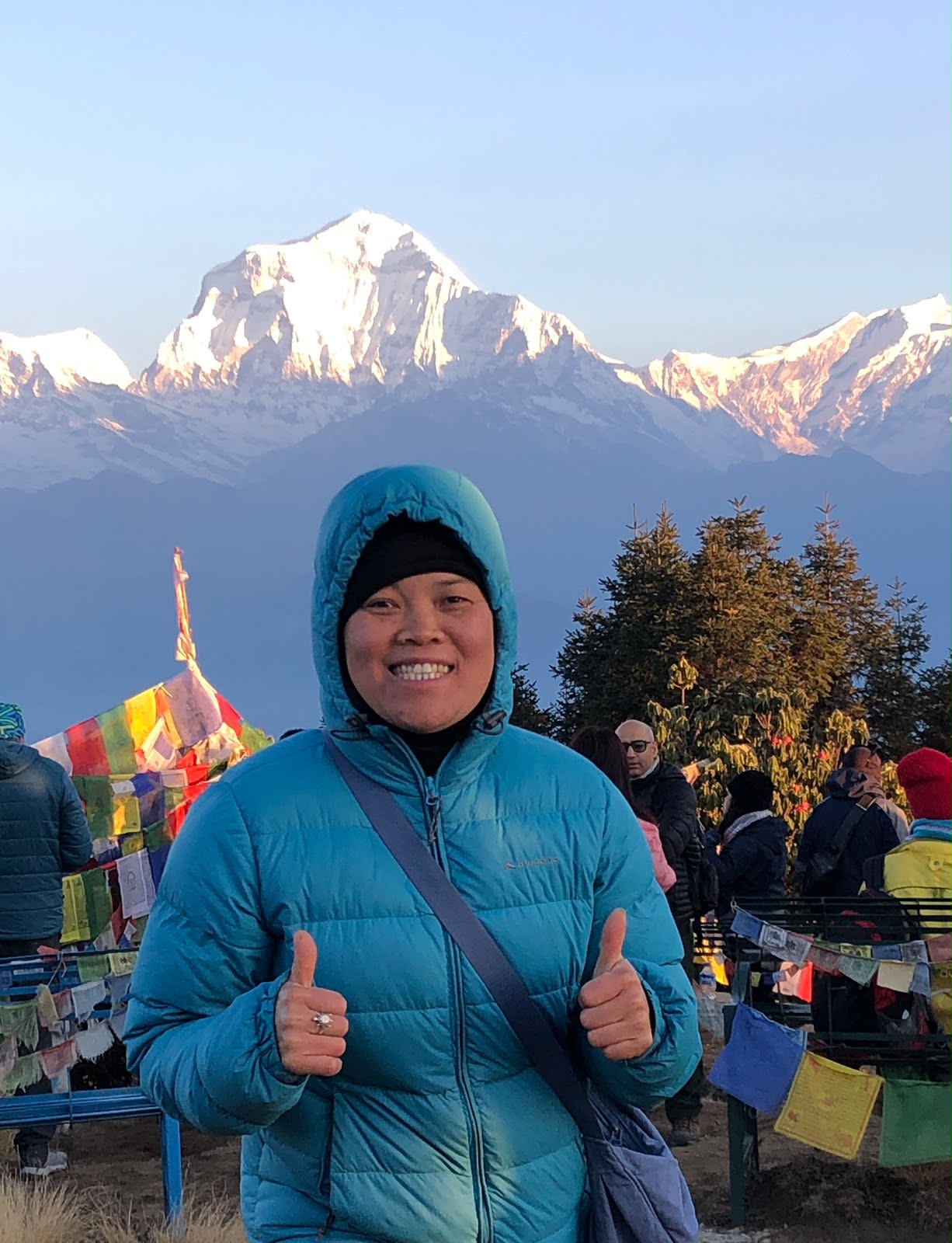
Sunrise from Poon Hill (3,210 m) over Dhaulagiri, Annapurna, and Machhapuchhre
5 days
3,210m
Max 14
From
$390 /person
ChallengingAnnapurna
Cross Thorong La pass at 5,416 m, one of the world's highest trekking passes
14 Days
5,416m
Max 12
From
$1,190 /person
 Moderate
Annapurna
Stand at Mardi Himal Base Camp (4,500 m) with Machhapuchhre just 2,500 m above you
7 days
4,500m
Max 12
From
$690 /person
 Challenging
Annapurna
Cross Thorong La Pass (5,416m), one of the world's great high crossings
13 Days
5,416m
Max 8
From
$2,890 /person
 Challenging
Annapurna
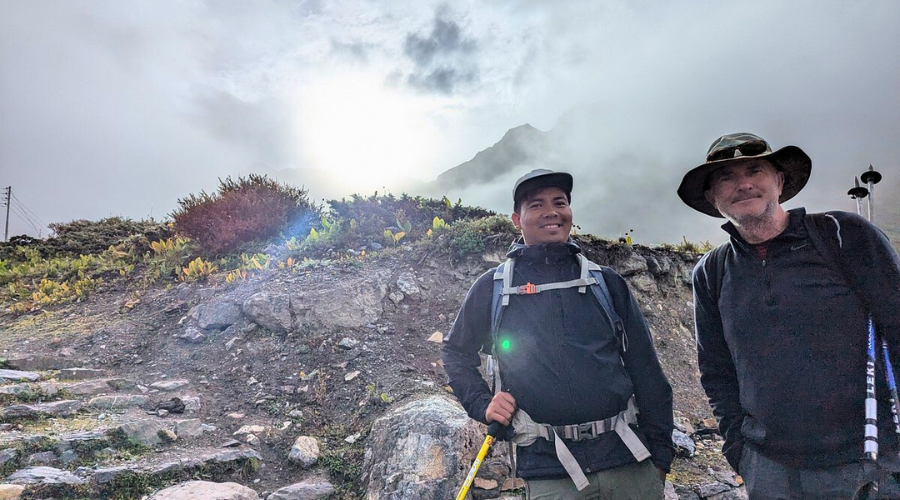
Cross Thorong La Pass (5,416m) at a safe, senior-friendly pace
17 Days
5,416m
Max 8
From
$1,790 /person
ChallengingAnnapurna
Cross Thorong La Pass (5,416m), the full high crossing in just 10 days
10 Days
5,416m
Max 12
From
$990 /person
ChallengingAnnapurna
The full Annapurna Circuit and Thorong La Pass (5,416m) crossing
14 Days
5,416m
Max 12
From
$1,290 /person
 Moderate
Annapurna
Khopra Ridge camp (4,660m), dramatic Dhaulagiri (8,167m) views from the western ridge
8 Days
4,660m
Max 12
From
$790 /person
 Strenuous
Annapurna
Tilicho Lake (4,919m), one of the world's highest lakes, set beneath Tilicho Peak (7,134m)
16 Days
5,416m
Max 12
From
$1,390 /person
The Annapurna region is Nepal's most-trekked area, protected since 1986 as the Annapurna Conservation Area — at 7,629 km², the country's largest protected area. Five main teahouse treks operate here: the Annapurna Circuit (12–16 days, crossing Thorong La at 5,416m), Annapurna Base Camp (7–12 days to the 4,130m sanctuary), Mardi Himal (5–7 days to a 4,500m viewpoint ridge), Poon Hill (4–5 days, the classic short sunrise trek to 3,210m), and Khopra Ridge (a quieter Poon Hill alternative).
All Annapurna treks require an ACAP (Annapurna Conservation Area Project) permit and a TIMS card, both arranged by your guide before departure — no separate restricted-area permit is needed for these routes. The main trekking seasons are March–May (rhododendron blooms, clear mountain views) and late September–November (the most stable weather of the year). Access is via Pokhara, a 25-minute flight or 6–8 hour drive from Kathmandu, from where most Annapurna treks begin.
What sets the Annapurna region apart is variety within a single trek: subtropical rice terraces and rhododendron forest at lower elevations give way to high alpine desert above the tree line, all within a week or two of walking. Gurung and Thakali villages along the way still run family-operated teahouses, so the trails combine genuine cultural contact with some of the best-maintained trekking infrastructure in the Himalaya.
Poon Hill (4–5 days) suits first-time trekkers or short trips. Annapurna Base Camp (7–12 days) is the best balance of scenery and time for most people. The full Annapurna Circuit (12–16 days) is the classic long-distance option for those wanting the widest range of landscapes. Mardi Himal (5–7 days) is a quieter, off-the-radar alternative with dramatic close-up mountain views.
Every trek in the Annapurna region needs an ACAP permit and a TIMS card. Neither requires you to travel to a government office yourself — your guide arranges both before the trek starts.
March to May and late September to November are the two main seasons, offering the clearest skies and most stable trail conditions. Winter (December–February) is trekkable at lower altitudes like Poon Hill and Ghandruk but colder and snowier at high passes.
Your Himalayan Adventure Awaits
Available 24/7 · Usually replies within minutes

AJ (Ajay Kumar Shrestha)
Founder & Lead Guide
Bijay Gurung
TAAN-Licensed Guide
Rajan Rai
TAAN-Licensed Guide
Chhakmaya Gajurba
TAAN-Licensed Guide