Island Peak Climbing
Island Peak (Imja Tse, 6,189m) is the most popular technical peak in Nepal, the ideal first summit for trekkers who want to cross the line from hiking to mountaineering. It requires crampons, ice axe, and fixed rope technique, but no prior climbing experience. What it does require is excellent physical fitness and acclimatisation through the standard Everest Base Camp approach that precedes it.
The name comes from early Everest expedition climbers who described the peak's appearance from Dingboche, floating like an island above a sea of glacier. Standing on the summit at 6,189m, with Lhotse (8,516m), Makalu (8,485m), and Everest (8,849m) surrounding you on three sides, is among the most extraordinary summit experiences available to non-technical climbers anywhere in the world.
Our 18-day itinerary builds proper acclimatisation through the standard EBC trek (Days 1–12), then transitions to Island Peak base camp for two summit preparation days before the summit attempt. This approach gives the best possible summit success rate while maintaining safety, the EBC trek ensures you arrive at Island Peak base camp properly acclimatised and physically strong.
No prior mountaineering experience is required, but we strongly recommend that clients have completed at least one prior multi-day high-altitude trek (EBC, Annapurna Circuit, or equivalent) before attempting Island Peak.
Upcoming departures.
| Start Date | End Date | Price / Person | Availability | |
|---|---|---|---|---|
| No departures match this filter. | ||||
Trek highlights.
Island Peak summit (6,189m), your first 6,000m peak with Lhotse, Makalu & Everest all visible
Full Everest Base Camp approach for acclimatisation, EBC and Kala Patthar included
Technical mountaineering introduction, crampons, ice axe, fixed ropes
Ama Dablam, Lhotse, and the full Khumbu massif from the summit
Two preparation days at base camp with certified alpine guide
No prior climbing experience required, just excellent fitness
Tengboche Monastery and the Sherpa cultural experience en route
Summit certificate from Nepal Mountaineering Association
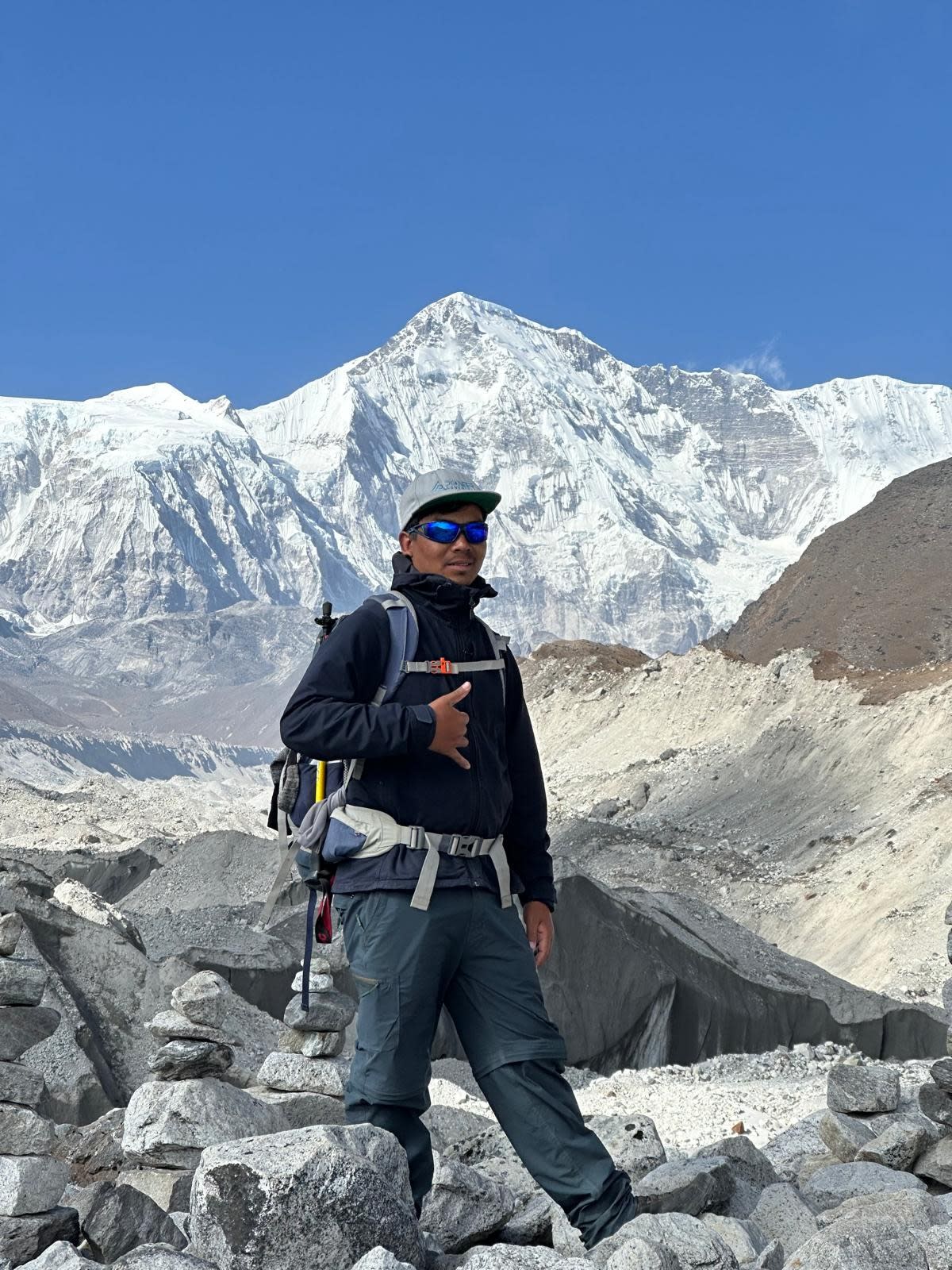
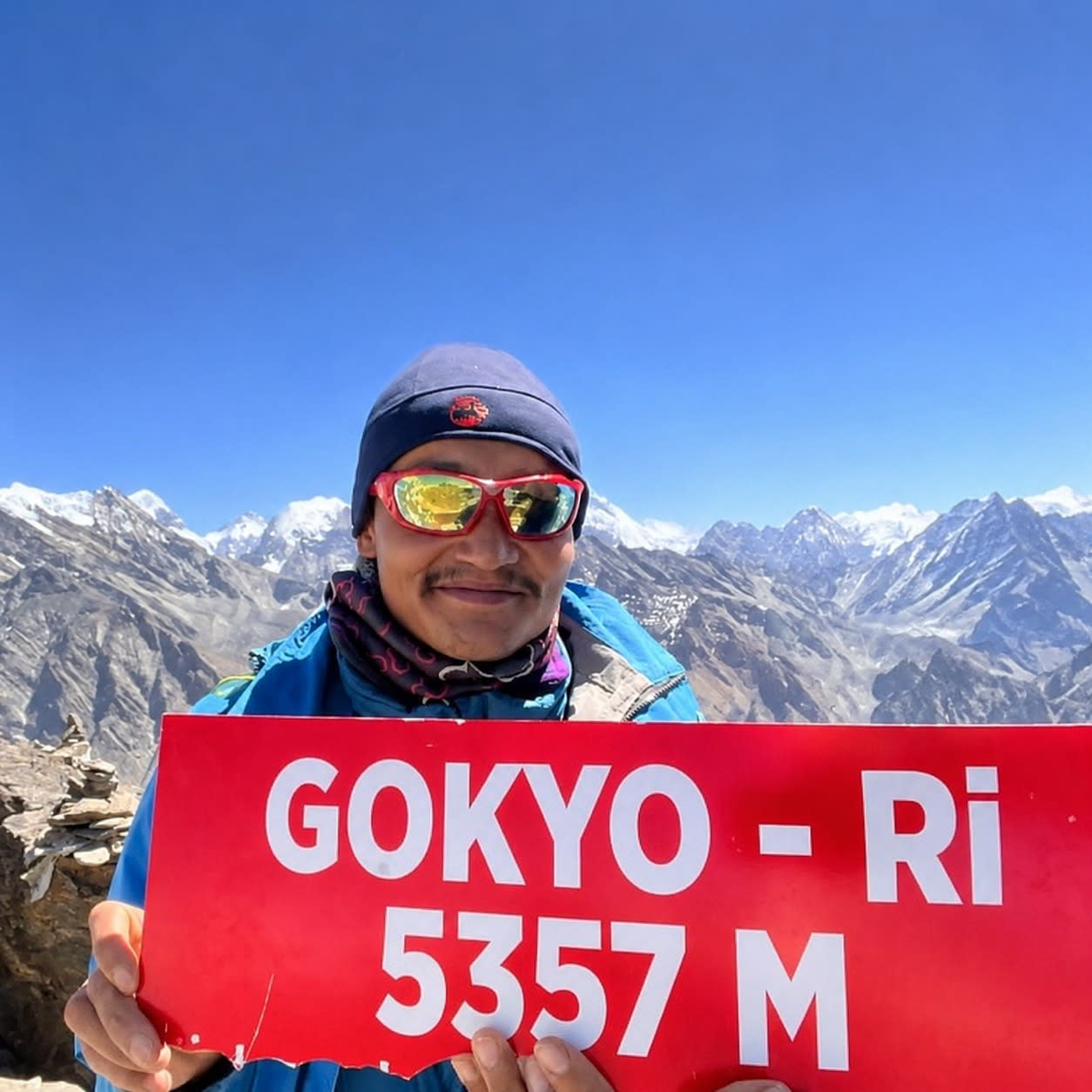
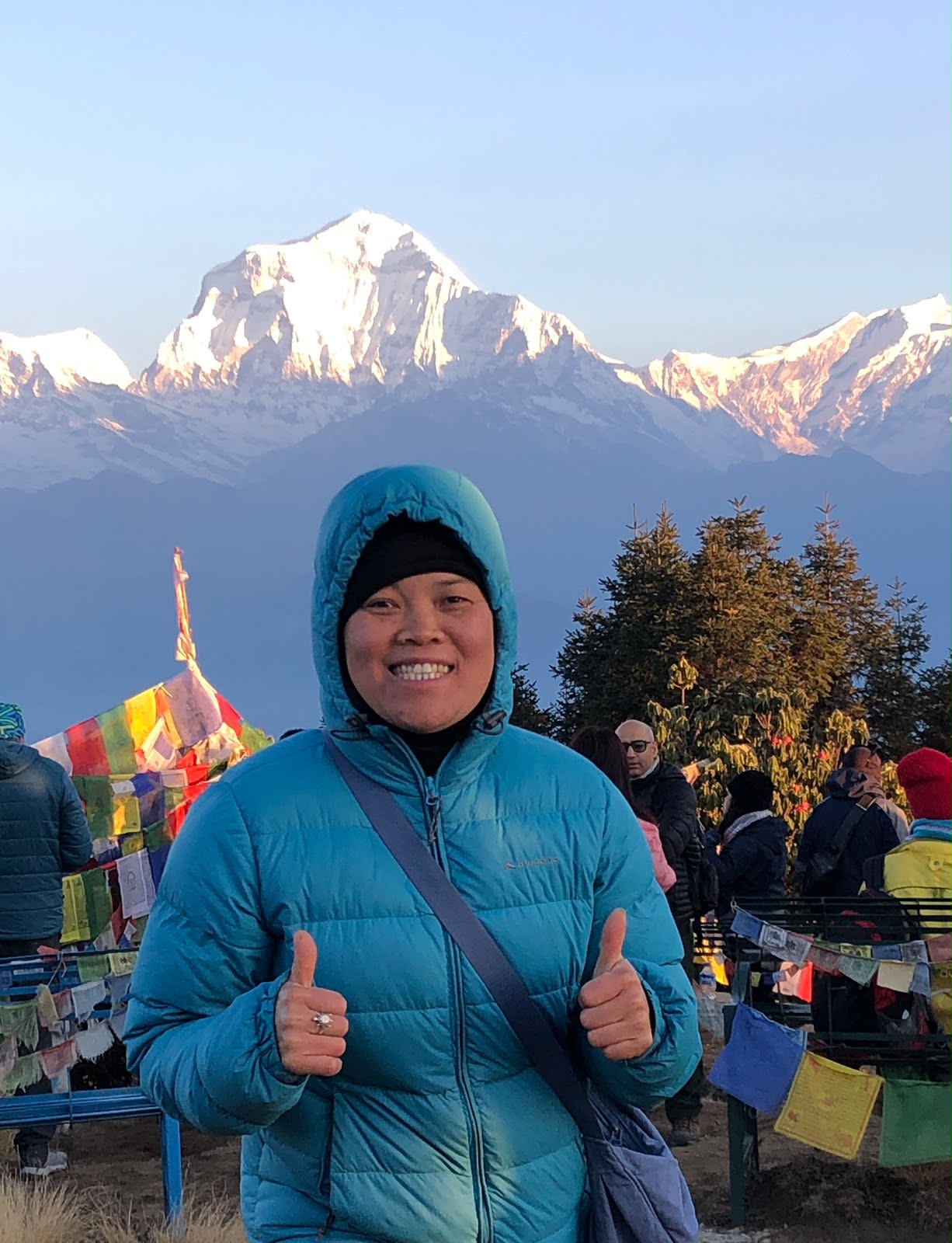
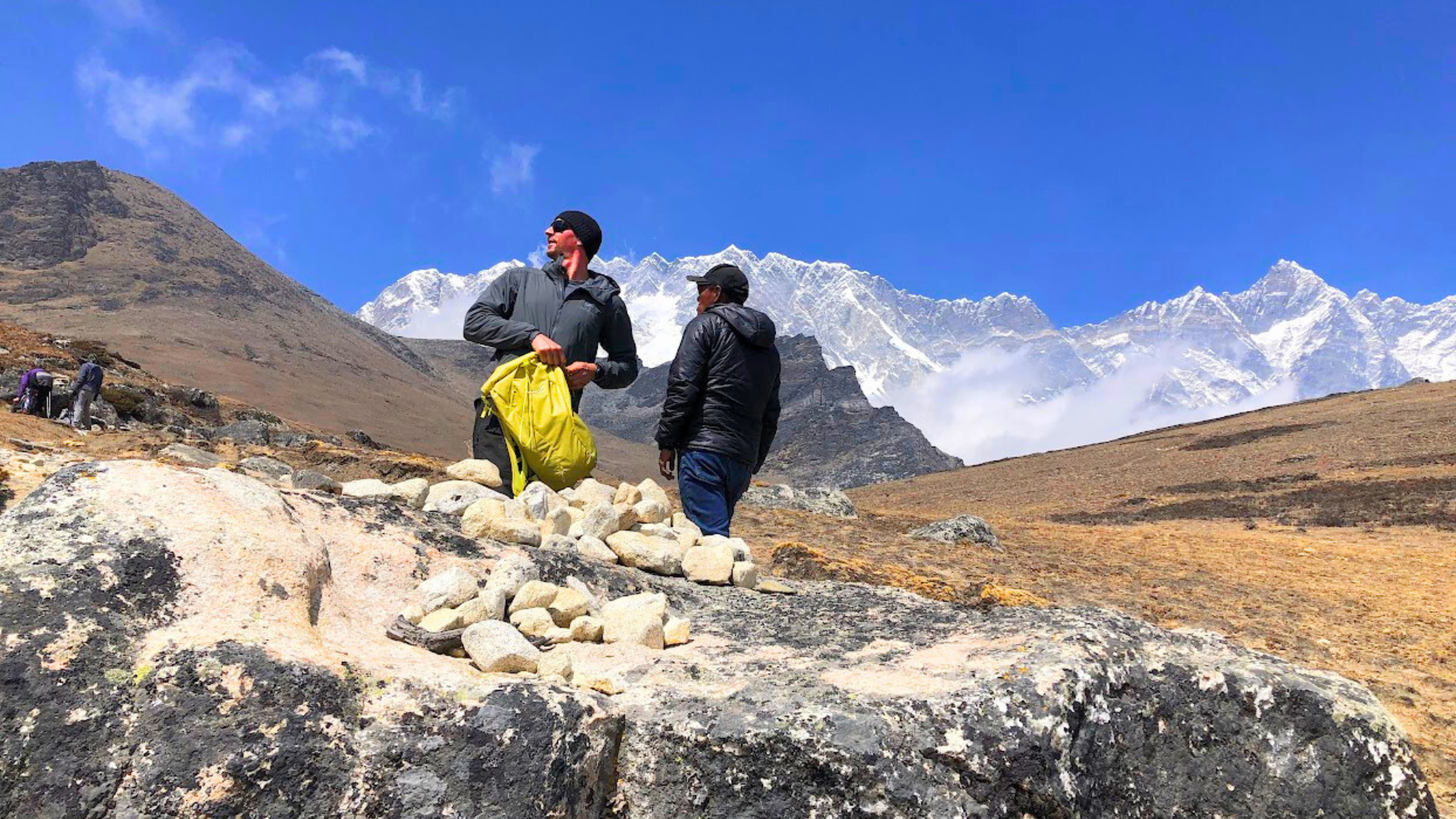
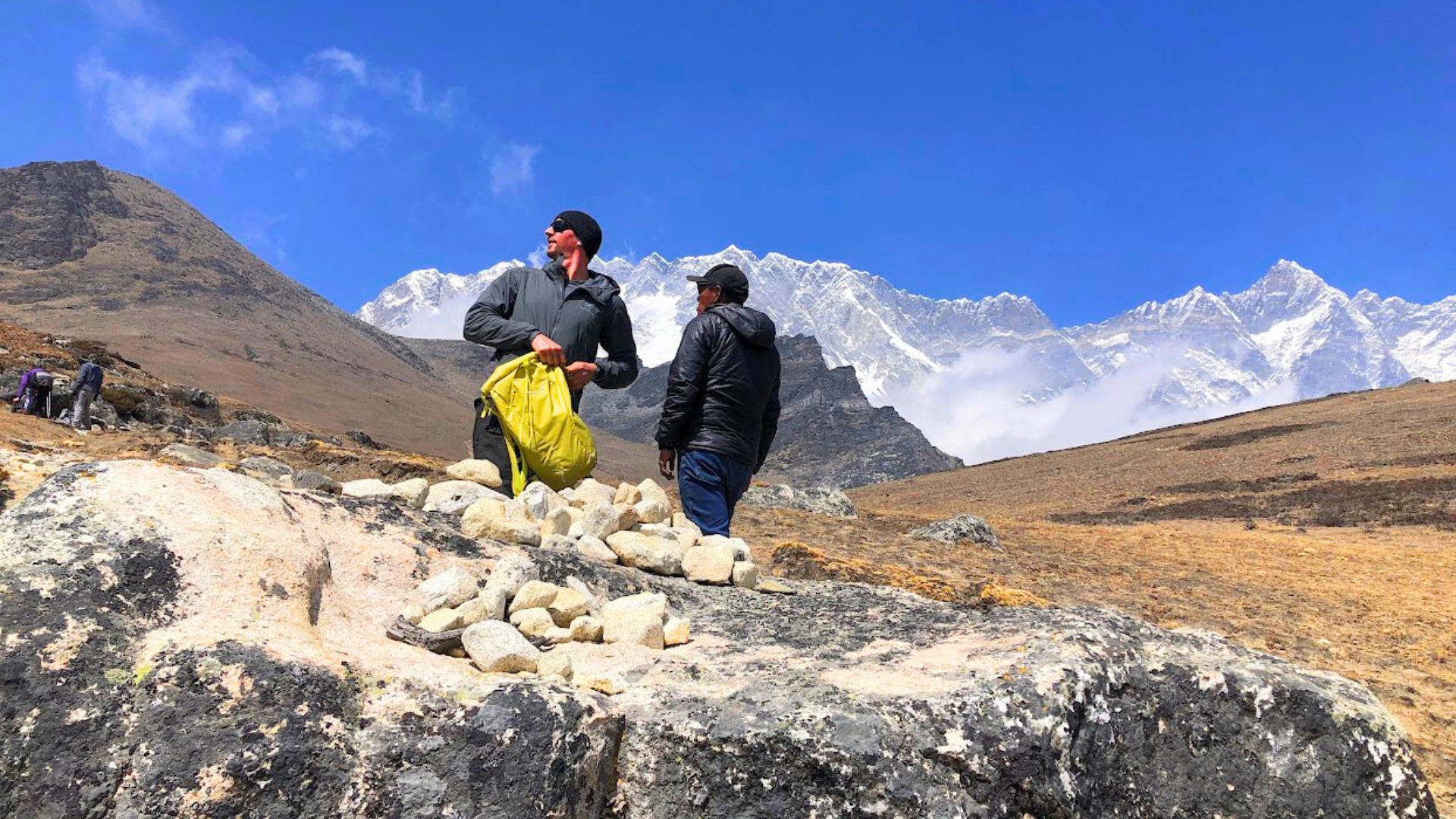
Trek in pictures.


Interactive circuit map.
The full 18-day circuit on a topographic map. Click any marker for details. Switch between Topo, Satellite, and Standard views using the layer control.
18 Days. Every detail planned.
Transparent, all-in pricing.
Included in your price
Not included
Trek altitude at a glance.
How hard is this trek?
Best time for the Island Peak Climbing.
Weather on the Island Peak Climbing.
Everything you need to know.
Open any card for in-depth notes on accommodation, food, altitude, permits, money and the small print that matters on the trail.
What to pack.
Plan Your Trek
Planning guides for the Island Peak Climbing
Written by our guides, these cover the permits, altitude, timing, and kit you need before you go.
Common questions.
Do I need prior mountaineering or climbing experience?+
No prior technical climbing experience is required, but it is genuinely helpful if you have any. What we require: at least one prior high-altitude Nepal trek (EBC, Annapurna Circuit, or equivalent difficulty) to establish your altitude tolerance, and excellent physical fitness. Our pre-expedition briefing includes a full Namche crampon session and base camp training day before the summit attempt. By summit day, you will have had 2 full days of crampon and fixed-rope practice. The technical sections are challenging but achievable for any determined, fit, and well-acclimatised trekker.
What is the success rate on Island Peak?+
With proper acclimatisation, which our 18-day itinerary through EBC provides, and good weather, the summit success rate is approximately 70–80% across all operators. Our success rate with clients who follow our acclimatisation protocol is higher. The main reasons for turning back are: insufficient acclimatisation (which we mitigate through the EBC approach), weather on summit day, and physical exhaustion from underestimating the demand. We do not pressure clients to summit, turning back at the right moment is a skill.
What technical skills will I need on summit day?+
Summit day requires: crampon walking on 30–40 degree ice slopes, ascending fixed ropes using a jumar (ascender) clipped to your harness, self-arrest with an ice axe if you slip (though our ropes prevent this becoming serious), and abseiling on the descent. These are all taught at Namche and base camp before the summit attempt. The fixed rope section from below the summit ridge to the top takes approximately 2–3 hours depending on conditions and group pace.
What is included in the Island Peak climbing permit?+
The Nepal Mountaineering Association (NMA) Island Peak climbing permit costs USD 250 per person (the standard fee). This is included in our package price. The permit also entitles you to a summit certificate from NMA if you reach the top. In addition to the climbing permit, the Sagarmatha National Park entry permit (USD 30) and Khumbu Pasang Lhamu permit (USD 15) are also required and included. Total permit costs included in our price: approximately USD 295 per person.
What happens if weather prevents the summit attempt?+
We build 2 days of flexibility into the base camp section. If summit day (Day 14) is weather-blocked, we rest and attempt the following day. If two consecutive days are weather-blocked, we either extend the stay (additional cost covers accommodation and guide fees only, no extra permit required) or descend. The spring (April–May) and autumn (October) windows are the most reliable for Island Peak. November is possible but summit conditions become increasingly serious with cold and wind. We do not attempt the summit in dangerous conditions.
Built different. On purpose.
Named guide before you book
Name, photo, licence number and WhatsApp. The same guide meets you at the airport and finishes the trek with you.
100% private, zero strangers
Your group, your pace, your schedule. We have never placed strangers together on a private trek. Not once.
Transparent all-in pricing
Permits, guide, porter, accommodation and all meals included. What you see is what you pay — no upsells on the trail.
60-day free cancellation
No deposit to hold your date. Full refund up to 60 days before departure, no questions asked.