Trek the Annapurna Circuit in spring (March to May) or autumn (September to November). In those months the skies are mostly clear, Thorong La at 5,416 metres stays open, and daytime temperatures on the trail sit around 10 to 20°C. Autumn has the steadiest weather of the year and spring brings rhododendrons. Winter risks snow on the pass, and the monsoon soaks the lower valleys. Each season shifts one thing that decides whether you get over the pass, whether that's snow, wind, rain or crowds.
The Circuit is a 160 to 230-kilometre loop around the Annapurna massif in north-central Nepal. It starts in subtropical valleys near 760 metres and tops out on Thorong La. With that much height difference, weather sets the calendar. You want the pass free of snow and the lower valleys free of monsoon rain, and spring and autumn are the two windows when both happen at once.

Autumn, September to November: the most reliable window
Once the monsoon has rinsed the dust from the air, autumn gives the clearest views of Annapurna and Dhaulagiri you'll get all year. Mid-valley days run 15 to 20°C. Above 4,000 metres nights drop below freezing, and the pass has firm, dry footing right through. October is the busiest month on the Annapurna Circuit, so book lodges and departures weeks ahead.
The catch is space. By mid-October, teahouses at Manang and Thorong Phedi fill early in the afternoon, and latecomers share rooms or walk another hour for a bed. Pass-day success is still highest in this window, which is why most of our fixed departures run then, following the plan in our Annapurna Circuit itinerary.
Spring, March to May: blooms and warming trails
Through late March and April the rhododendron forests between 2,000 and 3,000 metres turn the lower trail red and pink. Days warm from cool in March to properly warm by May, the pass stays open throughout, and the longer daylight lets you take each stage more slowly than you could in November. Haze builds by afternoon, so set off early for the clearest views.
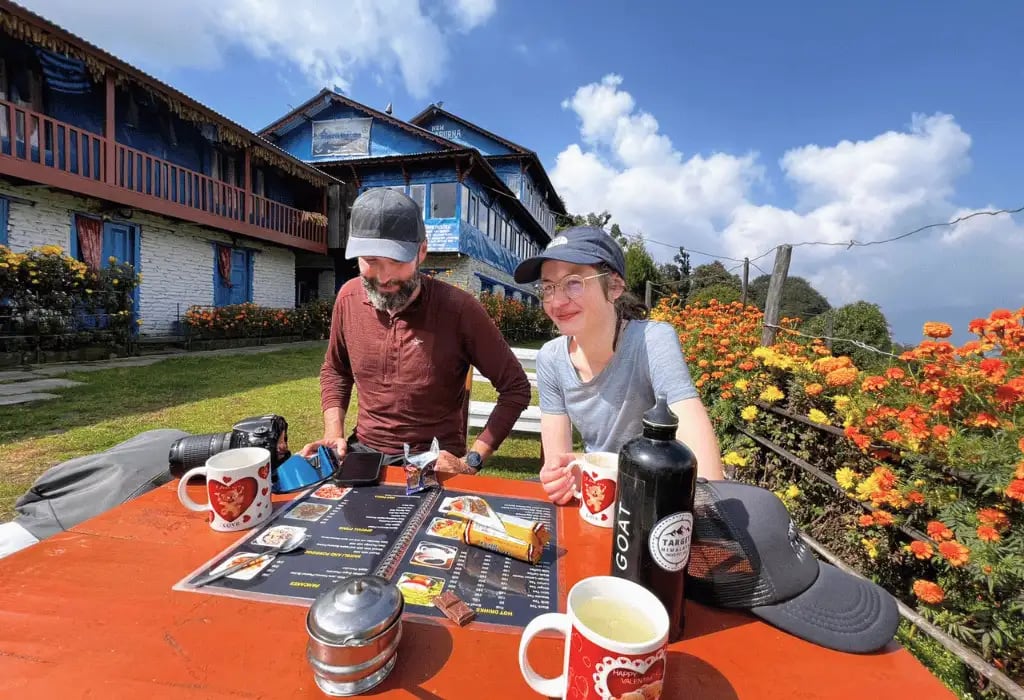
As May runs toward the monsoon, the afternoon cloud gets thicker, worst in the last fortnight. April is the sweet spot. You get the flowers with fewer people than October. Pack for a big swing between valley floor and pass, and our Nepal trekking packing list shows how.
Winter, December to February: cold, quiet, and snow risk
Winter empties the trail. The views are crisp, but a heavy snowfall can shut Thorong La for days. Valley days hover around 5 to 10°C, nights at altitude reach minus 15°C, and several high teahouses around Thorong Phedi close for the season. If you plan to cross in these months, bring microspikes and a guide, and keep two or three spare days.
The reward is solitude, a fair trade for experienced groups who are comfortable on ice at altitude. Plenty of winter visitors shorten the route or switch to something lower like Poon Hill. Those set on the pass watch the forecast closely, as our Thorong La pass crossing guide advises.

Monsoon, June to August: rain below, rain-shadow above
From June to August the lower Annapurna valleys get rain most days, and leeches with it. Beyond Manang, though, the upper Circuit sits in a rain shadow and stays fairly dry. Manang and the Mustang side get a fraction of the rain that falls on the green foothills, so a monsoon Circuit works for anyone who can put up with wet first days and muddy jeep roads. Landslides sometimes cut the road, which our Annapurna Circuit cost guide allows for in transport planning.
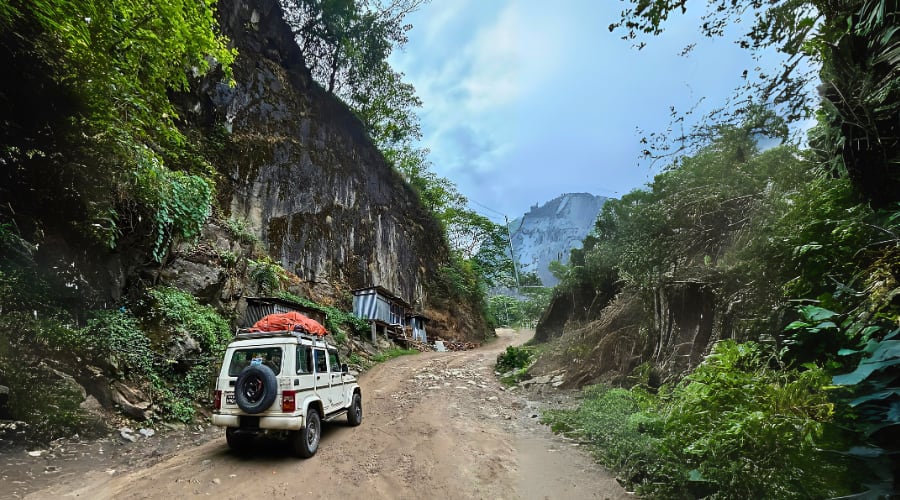
Empty trails, green hills. The same months are prime season for the rain-shadow trek into Upper Mustang. A late-August start catches the end of the rains just as autumn clarity arrives.
Thorong La pass conditions by season
The pass decides whether the full Circuit works in a given month. In spring and autumn it's reliably open, with firm ground and wind you can manage. In winter, snow can bury the route for days and turn groups back at Thorong Phedi. In every season the wind builds hard by late morning, so groups leave High Camp (4,850 metres) well before dawn and descend to Muktinath (3,800 metres) in the afternoon.
Peak season isn't risk-free. On 14 October 2014, the remnants of Cyclone Hudhud buried the pass, and at least 43 trekkers, guides and porters died around Thorong La, Manang and Mustang. Our guides now treat a sudden pressure drop or cloud building at the pass as a signal to turn around. Winter and early-spring trekkers check the forecast daily and carry traction for their boots, as the Thorong La pass crossing guide explains.
Matching crowds and cost to your dates
October and April are the busiest. That means competition for beds in Manang and Phedi, though also more fixed departures and more people to talk to on the trail. December to February and the monsoon months are quietest, with spare rooms and softer prices, although some high lodges close in winter. Late September and early May are good compromises. Our own departures run from USD 990 in July to USD 1,390 in early October, and the Annapurna Circuit cost guide has the full numbers.
Spring versus autumn: which peak to choose
Autumn wins on clarity. After the monsoon you get the sharpest views of Annapurna I (8,091 metres) and the firmest pass conditions of the year. Spring wins on colour and warmth. The rhododendrons are out and the longer days make the stages gentler. Photographers and first-time pass crossers usually lean to October. Flower lovers and anyone who sleeps cold tend to pick April. Both give a high success rate on Thorong La, and both anchor our departure calendar.
How weather shapes the daily stages
In peak season each day follows a pattern. Clear mornings, cloud by early afternoon, cold clear nights. Guides use it, setting off soon after dawn so the group reaches the night's lodge before the cloud swallows the view. Around Besisahar it feels subtropical. Past Manang (3,540 metres) it's alpine and cold. A 20°C morning at Chame can end in a sub-zero evening at Thorong Phedi a few days later, so you need a sun hat and a down jacket in the same bag. The day count is in our Annapurna Circuit itinerary.
Month-by-month temperature and conditions
| Month | Valley day temp | Pass condition | Crowds |
|---|---|---|---|
| March | 10–15°C | Open, some snow | Moderate |
| April | 15–18°C | Open | Busy |
| May | 18–22°C | Open, hazy | Moderate |
| Jun–Aug | 20–25°C | Open, wet below | Quiet |
| September | 15–20°C | Open | Building |
| October | 12–18°C | Open, dry | Peak |
| November | 8–15°C | Open, cold nights | Busy |
| Dec–Feb | 5–10°C | May close, snow | Very quiet |
October and April pair a stable pass with comfortable temperatures better than any other month. The weeks either side are the best bet if you want thinner crowds without gambling on winter snow or monsoon rain.
Pick your month with Annapurna Trekking
We run fixed departures through both peak seasons and arrange private dates for winter and monsoon trekkers who want a quiet trail. Groups never exceed twelve. Our TAAN-certified guides track the Thorong La forecast and adjust the plan to it. To pick a month for your Annapurna Circuit, message us on WhatsApp at +977 984 159 5962 or use our contact page.
Frequently asked questions
What is the best month to trek the Annapurna Circuit?
October, closely followed by November and April. October and November have the clearest, steadiest weather, and April has rhododendrons with fewer people. All three are safe windows for Thorong La.
Can you trek the Annapurna Circuit in winter?
The lower Circuit is walkable in December and January, but snow often closes Thorong La for days at a time. A winter crossing needs proper cold-weather gear, microspikes and spare days in the schedule.
Is the Annapurna Circuit possible during the monsoon?
Yes. From Manang into Mustang the trail sits in the Annapurna rain shadow and stays fairly dry from June to August, while the lower trail is wet. Accept a few soggy early days and it works.
Related guides

Founder & Lead Guide, Annapurna Trekking
AJ founded Annapurna Trekking in 2016 and has personally guided treks across Nepal ever since. More about our team →