A trek in Nepal is a multi-day walk between teahouse villages through one of the country's mountain regions, and the choice runs from a 5-day Poon Hill walk at 3,210 metres to the 18-day Everest Three Passes at 5,535 metres. Guided prices in 2026 span roughly USD 390 to 2,490 depending on length and region. This guide sorts the main routes by region, difficulty, altitude, and cost so you can match a trek to the time and fitness you actually have.
How do you choose a trek in Nepal?
Five variables decide which trek fits: the days you have, your comfort with altitude, the season, your budget, and how much solitude you want. A first-time trekker with a week is a different case from a fit walker with three weeks who wants a 5,000-metre pass. Altitude matters more than raw fitness, since every route above 2,500 metres carries some acute mountain sickness risk regardless of how strong you are. The two reliable trekking seasons are March to May and September to November, when skies are clearest and the high passes are open.
Annapurna region: the most accessible treks
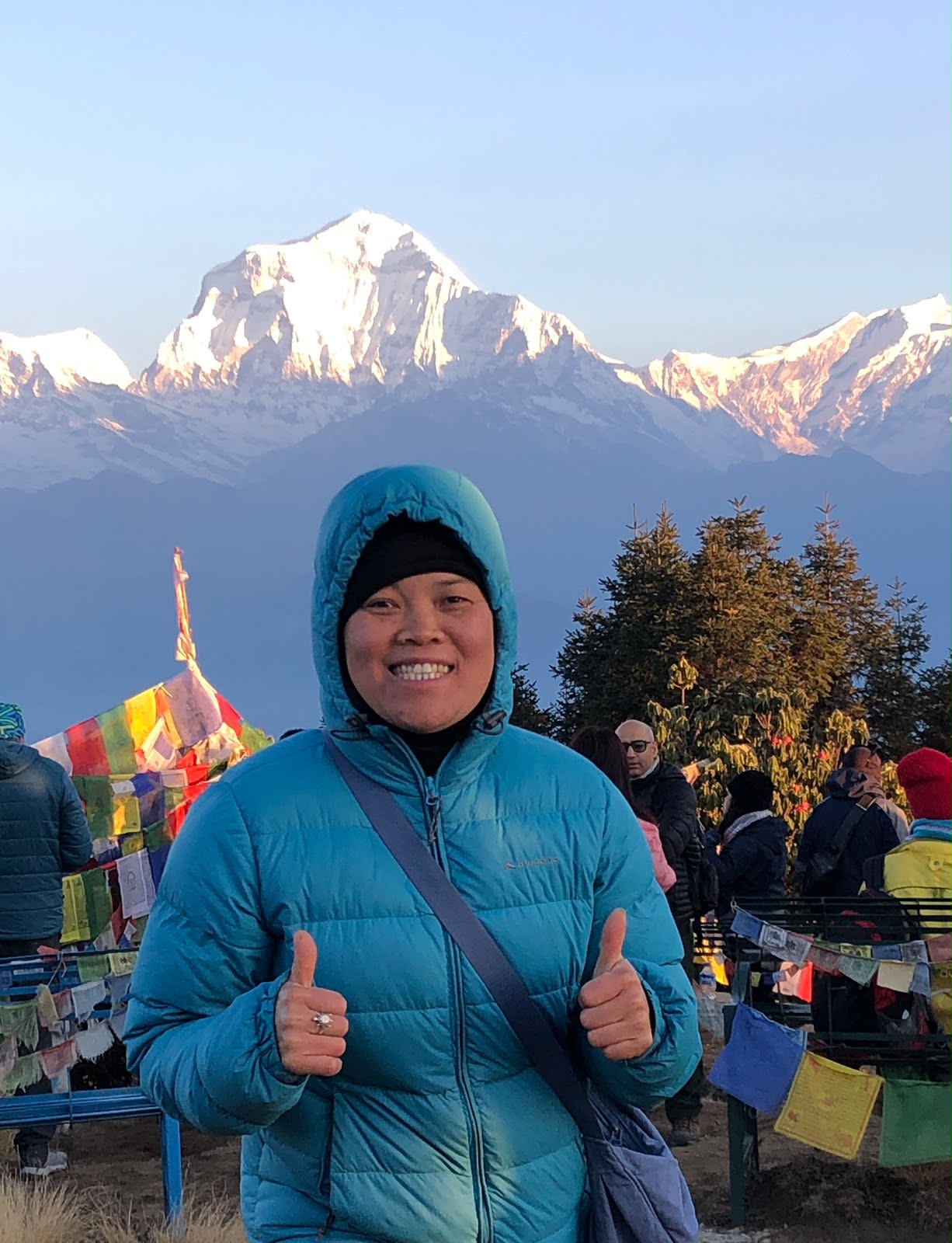
The Annapurna region holds the widest range of treks and the easiest access, all reached from Pokhara. The Poon Hill trek is the classic short route: 5 days, rated easy, topping out at 3,210 metres for a sunrise panorama over Annapurna and Dhaulagiri, from USD 390. The Annapurna Base Camp trek steps up to 11 to 13 days and 4,130 metres inside the Annapurna Sanctuary, from USD 890. The full Annapurna Circuit is the region's big loop: 14 days over Thorong La at 5,416 metres, rated challenging, from USD 1,190. Between those sit Mardi Himal (7 days, 4,500 metres, from USD 690), Khopra Ridge (8 days, 4,660 metres, from USD 790), and the longer Annapurna Circuit with Tilicho Lake (16 days, from USD 1,390).
Everest region: the high Khumbu routes
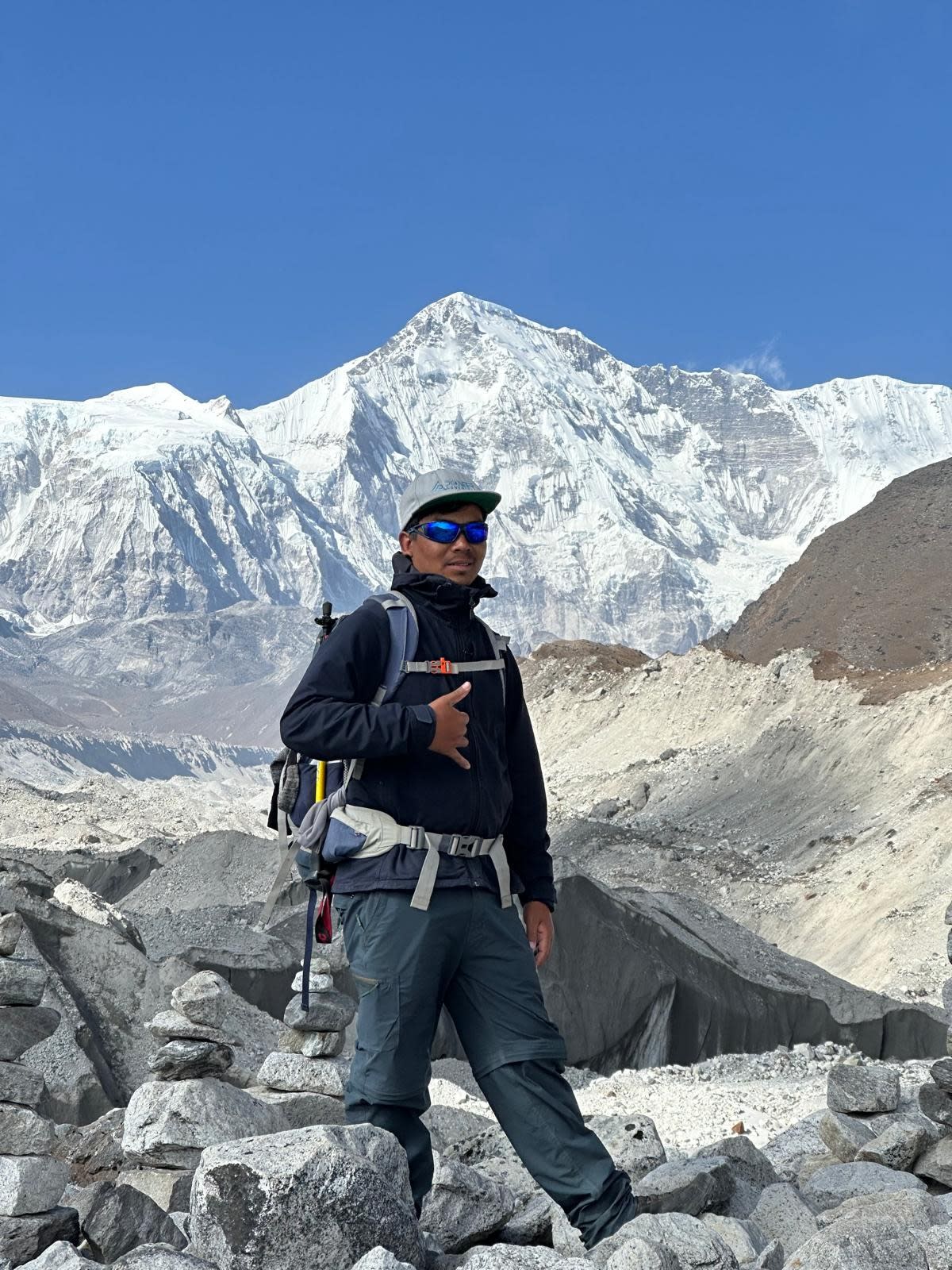
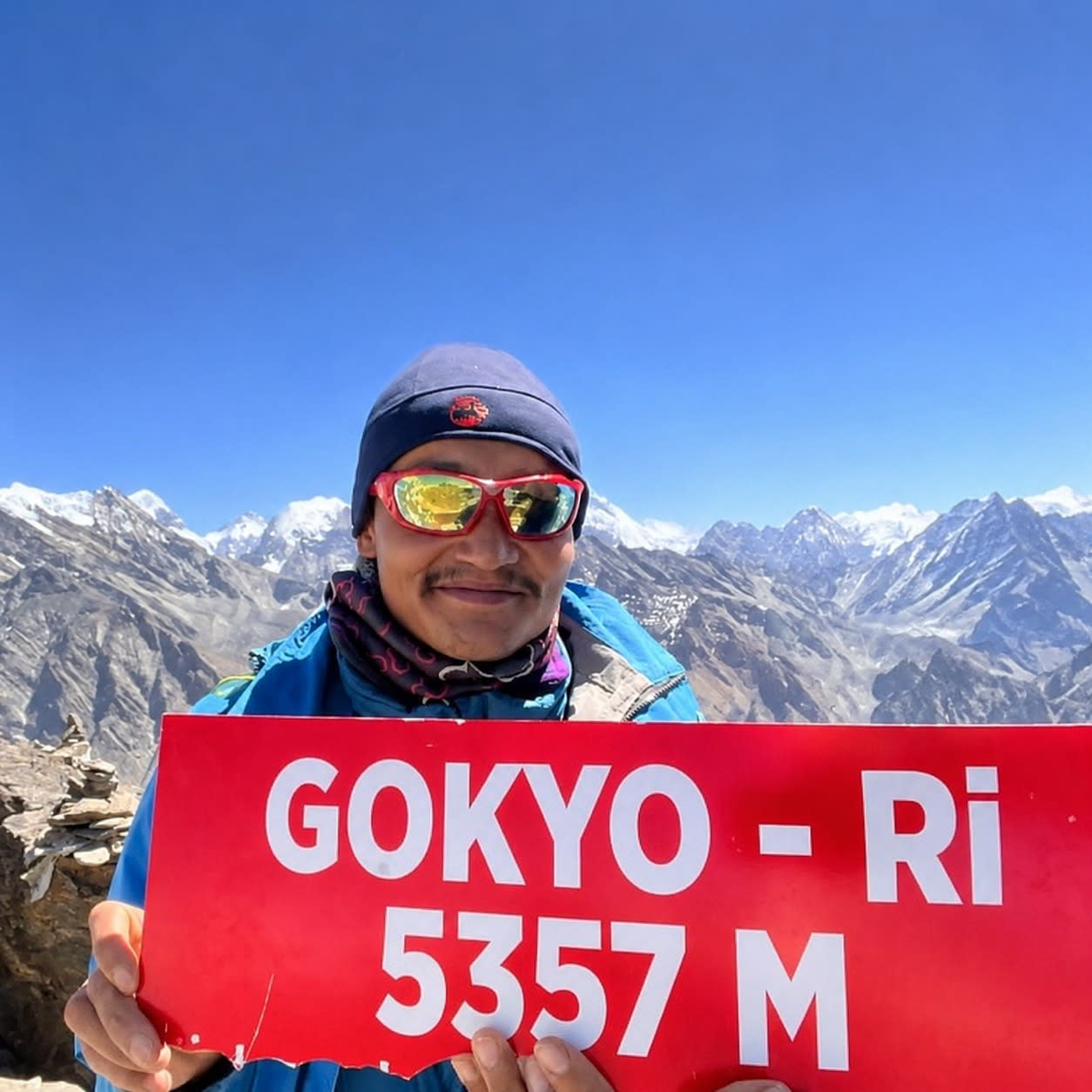
The Everest region trades gentle access for higher altitude and Sherpa culture, reached by a mountain flight to Lukla at 2,860 metres. The Everest Base Camp trek is the headline route: 14 days to Kala Patthar at 5,545 metres, rated strenuous, from USD 1,350. The Gokyo Lakes trek (12 days, 5,357 metres, from USD 1,190) swaps the base camp crowds for turquoise glacial lakes and the Gokyo Ri viewpoint. The Everest Three Passes trek is the strenuous full loop, 18 days over Kongma La, Cho La, and Renjo La to 5,535 metres, from USD 1,890. Two shorter or harder options round out the region: Everest Base Camp with helicopter return (12 days, from USD 1,890) and Island Peak climbing, a 6,189-metre trekking peak at 18 days from USD 2,490.
Langtang region: the closest treks to Kathmandu
Langtang is the nearest major trekking region to Kathmandu, with no domestic flight needed. The Langtang Valley trek runs 9 days to Kyanjin Ri at 4,773 metres, rated moderate, from USD 750, and reaches the trailhead at Syabrubesi by a 7 to 8 hour drive. The Gosaikunda trek (8 days, 4,610 metres, from USD 790) climbs to a set of sacred alpine lakes held holy by Hindus and Buddhists. Both are strong choices when you want a full Himalayan trek without adding a flight to the itinerary.
Manaslu and Mustang: the quiet restricted regions
Manaslu and Upper Mustang are restricted areas, which keeps their trails far quieter than Annapurna or Everest. The Manaslu Circuit circles the world's eighth-highest mountain over 14 days and the Larkya La pass at 5,106 metres, rated strenuous, from USD 1,490. The Upper Mustang trek heads into the walled Tibetan-Buddhist kingdom of Lo Manthang, 14 days and 3,840 metres, from USD 1,890, and stays walkable through the monsoon because it sits in the Annapurna rain shadow. Both need a special permit and a licensed guide arranged before departure.
Permits, seasons, and the guide rule
Every trek here needs permits, and since 1 April 2023 it also needs a licensed guide. Conservation and park entry runs from about NPR 3,000 for ACAP or the Sagarmatha National Park fee, while restricted areas like Mustang cost USD 50 per day. The permit types and current costs are laid out in our guide to Nepal trekking permits, and the guide requirement, including the 2026 solo-permit change, is covered in whether you need a guide to trek in Nepal. For timing, our notes on the best time to trek apply across most regions.
Trekking peaks and the next step up
Island Peak (Imja Tse) at 6,189 metres is the most popular trekking peak in Nepal, an 18-day trip from about USD 2,490 that pairs the Everest Base Camp approach with a guided climb on fixed ropes and crampons. It needs no prior technical experience but does demand fitness and a head for heights. For most trekkers, the sixteen teahouse routes above cover every level from a first 5-day walk to a three-week high circuit, so a trekking peak is a goal for a second or third trip to Nepal rather than a first. The natural progression is a short trek like Poon Hill, then a moderate one like Annapurna Base Camp or Langtang, then a high pass or a peak once altitude holds no fear.
Which is the best trek in Nepal for beginners?
The Poon Hill trek. At 5 days, rated easy, and topping out at 3,210 metres, it gives you a full Annapurna sunrise panorama without the altitude or the long days of the bigger routes. Mardi Himal and the Langtang Valley are the natural next steps up.
What is the most popular trek in Nepal?
Everest Base Camp and the Annapurna Base Camp trek are the two most-walked routes. Everest Base Camp draws trekkers for the name and the Khumbu scenery; Annapurna Base Camp is shorter, lower, and cheaper, which makes it the more common first big trek.
How many days do you need to trek in Nepal?
Between 5 and 18 days for the main routes. Poon Hill fits a spare 5 days, Annapurna Base Camp and Langtang need 9 to 13, and Everest Base Camp, the Annapurna Circuit, and the Three Passes run 14 to 18 days.
Do you need a guide to trek in Nepal?
Yes. Since 1 April 2023, foreign trekkers must hire a licensed guide or porter-guide from a registered agency to enter any national park, conservation area, or restricted region, which covers all the main treks above.
More on the mountains
Dawa Tshering
Trekking Guide, Annapurna Trekking
Dawa Tshering guides treks across Nepal for Annapurna Trekking. More about our team →