About 339 people have died on Mount Everest in total through December 2025, the figure published by mountaineering analyst Alan Arnette in "Everest by the Numbers 2026" on 26 January 2026, drawn from the Himalayan Database. The Everest death toll is the running count of every recorded fatality on the mountain since climbing records began, covering both foreign expedition members and the hired Nepali workers who make each climb possible. That total splits into roughly 208 expedition members and 131 hired workers, most of them Sherpas, with about 229 deaths on the south or Nepal side and 110 on the north or Tibet side.
What these numbers mean for trekking in the Everest region
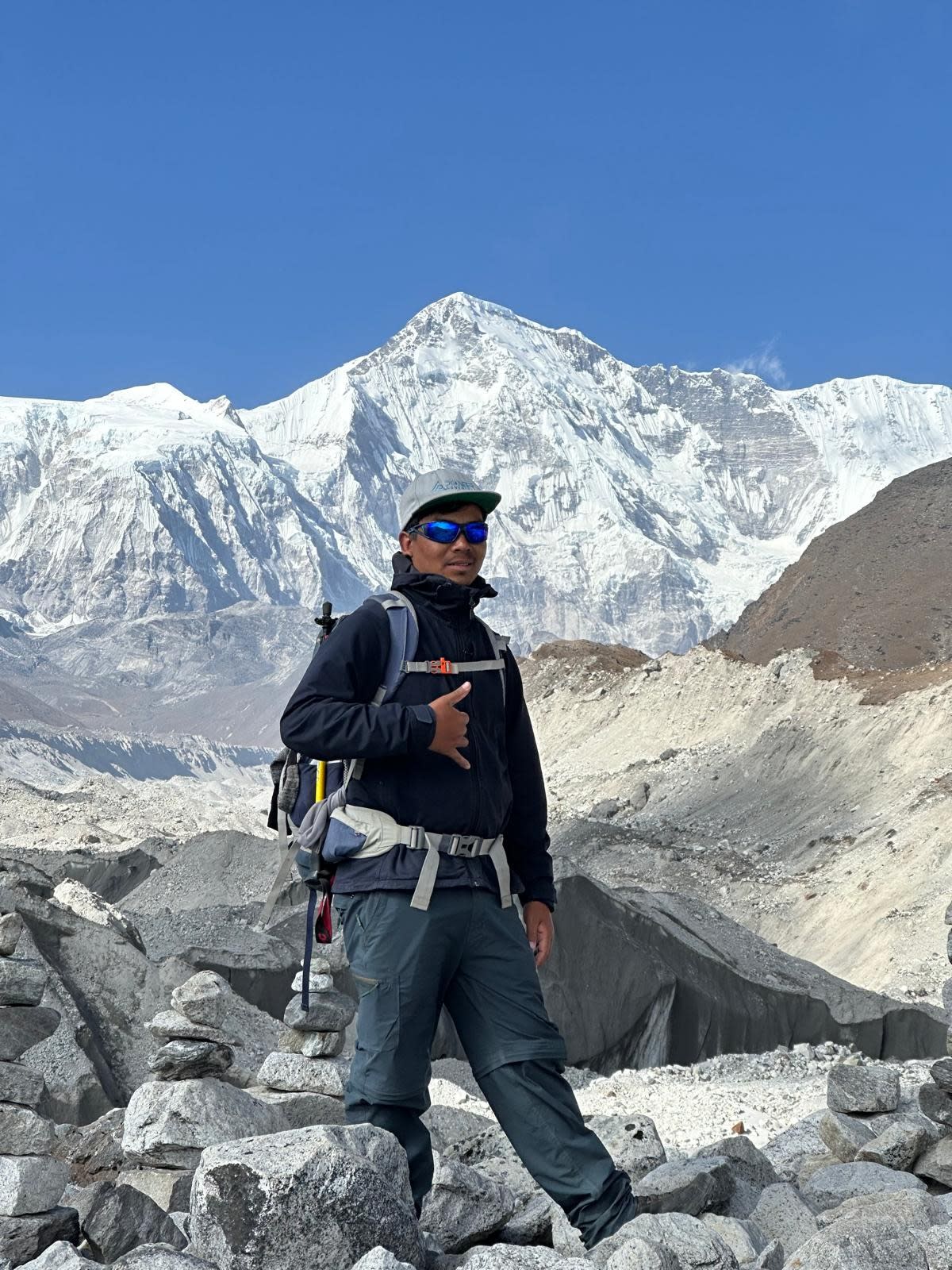
Almost all of those 339 deaths happened high on the climbing route, far above any ground a trekker walks. The Everest Base Camp trek is a walking journey that ends at base camp on the Khumbu Glacier at 5,364 metres, thousands of metres below the summit and the real danger. If you are reading this because you want to visit the Khumbu, the death toll here is a story about mountaineering, not about the trail you will follow. Before the detail, the practical side matters more for your own trip. Our guides at Annapurna Trekking point you to plain advice on preventing altitude sickness, an honest look at how hard the Everest Base Camp trek is, and the full route for the Everest Base Camp trek itself.
How many people have died on Everest?
339 is the current authoritative figure, and it comes from the Himalayan Database counted through December 2025. You will still see other numbers in older articles and books, which is normal for a total that grows over time and gets rounded in different ways. Rounded or older citations tend to run from about 310 up to "340 plus," so the honest way to read them is as a range that the newest count now pins near 339. When a source and a date are given, as Alan Arnette gives here, the specific figure is the one to trust.
131 of those deaths were hired workers, most of them Sherpas, which is the part of the toll that is easy to overlook. The remaining 208 were expedition members, the climbers who buy a place on a team and attempt the summit. Splitting the count by side of the mountain, about 229 people died on the south or Nepal side and about 110 on the north or Tibet side. The Nepal side sees more traffic, so it carries the larger share of both climbs and deaths.
The Everest death toll at a glance
- Total recorded deaths: about 339 through December 2025
- Expedition members: about 208
- Hired workers, most of them Sherpas: about 131
- South (Nepal) side: about 229 deaths
- North (Tibet) side: about 110 deaths
- Range in older or rounded sources: about 310 to "340 plus"
How that compares with the number who climb it
13,737 successful ascents had been recorded through December 2025, so the fuller picture is far less grim than a raw death count suggests. Those climbs were made by roughly 7,563 different people, since many climbers reach the top more than once. About 86.5% of successful climbers were male and 13.5% were female, and about 69% went up by the south side. Set 339 deaths against nearly 7,600 people who have stood on the summit, and the plain fact is that the great majority of climbers come home safely.
7,563 people is the number that puts the risk in proportion. A death toll on its own can make a mountain sound like a near-certain end, which Everest is not. It is genuinely dangerous high up, and the danger is real for the people who climb, yet most who attempt the summit survive and return. The table below sets the two headline numbers side by side.
| Measure | Figure (through Dec 2025) |
|---|---|
| Total deaths on Everest | about 339 |
| Successful ascents | about 13,737 |
| Different people who reached the summit | about 7,563 |
| Share of successful climbers who were male | about 86.5% |
| Share of successful climbers who were female | about 13.5% |
| Share of ascents by the south (Nepal) side | about 69% |
The deadliest days on Everest
25 April 2015 is the deadliest single day in Everest's history, when the earthquake that struck Nepal shook loose an avalanche that swept into Base Camp. Sources give a range for the toll at Base Camp that day: the Nepal Mountaineering Association counted about 19, a figure of about 22 is commonly cited, and National Geographic reported 24. However it is counted, it was the worst day the mountain has seen, and it killed climbers and staff where they had felt safest, down at Base Camp rather than high on the route.
18 April 2014 was the deadliest single incident before that, when a serac collapse sent an avalanche through the Khumbu Icefall. 16 people died, and all of them were Nepali workers, most of them Sherpas, caught while carrying loads through the icefall early in the morning. The loss led to a work stoppage that ended the 2014 climbing season and forced a hard public reckoning over pay, insurance, and the risks these workers carry for others.
The two deadliest events
| Date | Event | Deaths | Who died |
|---|---|---|---|
| 25 April 2015 | Earthquake avalanche into Base Camp | about 18 to 24 (sources vary) | Climbers and staff at Base Camp |
| 18 April 2014 | Khumbu Icefall avalanche | 16 | All Nepali workers, mostly Sherpas |
What people actually die of on Everest
Avalanche is one of the main killers on Everest, and the 2014 and 2015 disasters are the clearest examples of how quickly it can take many lives at once. Alongside avalanche, the other leading causes are falls, altitude sickness in its severe forms, exposure to cold, and plain exhaustion. Altitude sickness at this level means fluid building up on the brain or in the lungs, two conditions that turn deadly fast if a climber cannot get lower. Each of these is far more dangerous at extreme height than it would be down low.
8,000 metres marks the start of what climbers call the death zone, and most Everest deaths happen in or near it. Above that line the air holds so little oxygen that the body slowly fails no matter how fit the climber is, so rest does not restore you and every task drains you further. A fall, a storm, a delay, or a bad turn in the weather becomes far harder to survive up there. That is the single biggest reason the summit push is where the mountain is most lethal.
Main causes of death, in short
- Avalanche, as in April 2014 and April 2015
- Falls on steep or icy ground
- Altitude sickness, meaning fluid on the brain or lungs
- Exposure to extreme cold
- Exhaustion, most often high in or near the death zone above 8,000 metres
Why the Everest Base Camp trek is a different, far safer thing
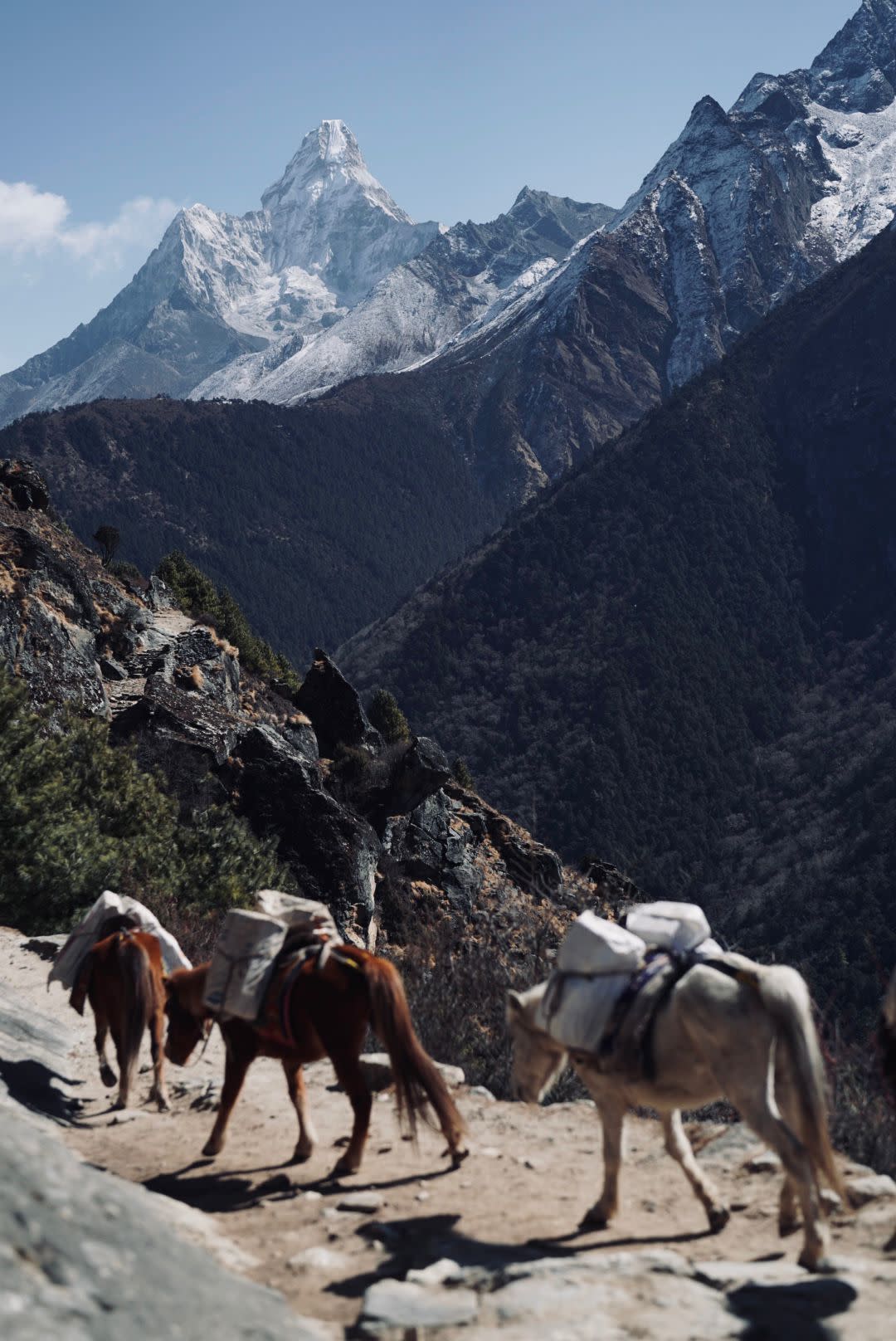
5,364 metres is as high as the Everest Base Camp trek goes, and that single number is the reason the trek and the climb are not the same activity. Everything in the death toll above belongs to high-altitude mountaineering: the icefall, the death zone, the fixed ropes, and the summit push. The trek is a teahouse walk up the Nepal side through Sherpa villages to a viewpoint of the mountain and the base camp tents, then back down the same valleys. You do not enter the Khumbu Icefall, you do not climb, and you never go near the ground where these deaths happen.
Altitude is still the one real risk on the trek, and it is a manageable one. The way to manage it is to go up slowly, sleep at sensible heights, drink well, and turn back or descend if symptoms appear. A good guide watches for early signs and builds acclimatisation days into the plan. Handled that way, the walk to Everest Base Camp is a safe trip that thousands of ordinary people finish every year, which is a world apart from the risks the summit climbers accept.
How many people have died on Everest in total?
About 339 people have died on Everest through December 2025, according to Alan Arnette's "Everest by the Numbers 2026." That total is roughly 208 expedition members and 131 hired workers, most of them Sherpas, split into about 229 deaths on the Nepal side and 110 on the Tibet side.
What is the deadliest day in Everest's history?
25 April 2015 was the deadliest single day, when the Nepal earthquake triggered an avalanche that hit Base Camp. Reported tolls at Base Camp that day range from about 19 (Nepal Mountaineering Association) to 24 (National Geographic), with about 22 commonly cited.
How many people have successfully climbed Everest?
About 13,737 successful ascents had been recorded through December 2025, made by roughly 7,563 different people. Set against about 339 deaths, that shows the great majority of climbers reach the top and come home safely.
What is the most common cause of death on Everest?
Avalanche, falls, altitude sickness (fluid on the brain or lungs), exposure, and exhaustion are the main causes. Most deaths happen high on the mountain, in or near the death zone above 8,000 metres, where the thin air makes any problem far harder to survive.
Is the Everest Base Camp trek dangerous?
5,364 metres is the highest point on the Everest Base Camp trek, well below the climbing hazards that cause Everest's deaths. The trek is a far safer activity than mountaineering, and its main risk is altitude sickness, which is managed by ascending slowly, resting, and descending if symptoms appear.
Related reading
Pemba Sherpa
Trekking Guide, Annapurna Trekking
Pemba Sherpa guides treks across Nepal for Annapurna Trekking. More about our team →
Ready to walk it?