
The Everest Base Camp trek is rated strenuous, an 8 out of 10, but its difficulty comes from altitude and repetition, not technical climbing. It covers about 130 kilometres over 12 walking days, reaching 5,545 metres at Kala Patthar, with 5 to 7 hours of walking most days and no ropes, crampons, or scrambling. What makes it hard is thin air, cold, and doing it again the next morning. What makes it achievable is the acclimatisation built into the itinerary.
What makes the Everest Base Camp trek hard?
Everest Base Camp trek difficulty rests on four things: altitude, consecutive walking days, cold, and the Lukla flight that starts and ends it. None of them require mountaineering skill. All of them reward preparation. The single factor that turns people back is altitude, so it is worth understanding before the other three.
Altitude is the real challenge
At 5,545 metres, Kala Patthar holds only about half the oxygen available at sea level, and base camp itself sits at 5,364 metres. Acute mountain sickness, the headache-and-nausea illness that can escalate to fluid on the brain or lungs, is a genuine risk anywhere above 2,500 metres and affects fit and unfit trekkers alike. The itinerary manages it deliberately: a rest day at Namche Bazaar (3,440 metres), a second at Dingboche (4,410 metres), and a rule of gaining no more than about 500 metres of sleeping altitude a day higher up. Following that structure, and monitoring oxygen saturation each morning, is what keeps the trek safe, and it is the same protocol described in our guide to preventing altitude sickness on a Nepal trek.
The daily demands
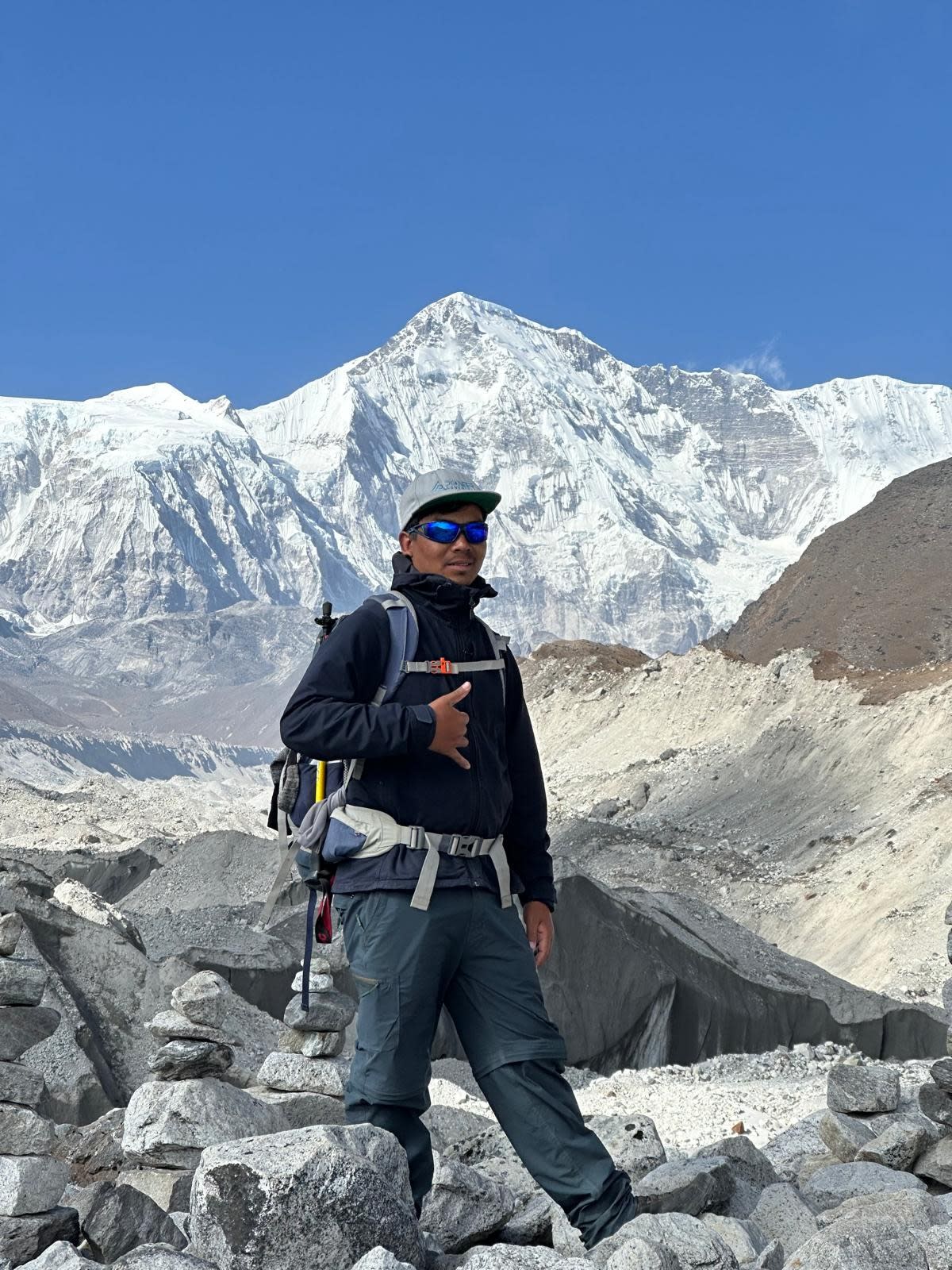
Twelve trekking days of 5 to 7 hours are the physical core of the trek, adding up to around 130 kilometres and roughly 5,680 metres of cumulative ascent. The walking itself is non-technical: stone paths, suspension bridges, and, near the top, rough glacial moraine where the footing slows you down. The hardest single morning is the pre-dawn climb to Kala Patthar for the Everest sunrise, done in the cold and the thinnest air of the trek. Descent days are long but easier, and your body notices the oxygen returning below Namche.
Cold, terrain, and the Lukla factor
Night temperatures at the upper teahouses drop well below freezing, often to minus 10 Celsius or lower at Gorak Shep, and rooms are unheated apart from a communal stove. The 35-minute flight into Lukla (2,860 metres) is weather-dependent and can be delayed, which is why sensible itineraries keep a buffer day. Terrain and cold are manageable with the right layers, covered in our Nepal trekking packing list, but they add to the daily effort in a way flat-country training does not prepare you for.
Who can do it, and how to train
Most reasonably fit adults can complete the Everest Base Camp trek with no prior high-altitude experience, and we have guided teenagers and trekkers in their late sixties to Kala Patthar. Fitness does not prevent altitude sickness, but it makes the daily hours far more comfortable, so 8 to 12 weeks of cardio and hill walking with a loaded daypack is the most useful preparation. The trek needs no rope skills, which sets it apart from a climb like Kilimanjaro's summit night or any peak ascent. For a sense of how it compares within Nepal, the Annapurna Circuit difficulty is broadly similar in altitude but with a single big pass rather than a sustained high section, while the Everest Base Camp trek itself keeps you above 4,000 metres for days at a stretch.
How to train for the trek
Eight to twelve weeks of focused preparation turns the daily hours from a grind into a rhythm. The most useful training is specific: long hill walks carrying a 6 to 8 kilogram daypack, building to four or five hours on consecutive weekend days, because the trek is about repetition rather than a single hard effort. Add two or three cardio sessions a week, running, cycling, or stair climbing, to raise the aerobic base that thin air taxes hardest. Strength work for the legs and core helps on the long descents, which punish quadriceps and knees more than the climbs.
What you cannot train is altitude tolerance, which is why the schedule matters more than fitness above 4,000 metres. If you can, arrive a few days early and walk the Kathmandu valley hills to shake off the flight, and treat the built-in rest days at Namche and Dingboche as non-negotiable rather than optional. Trekkers who race ahead of the acclimatisation profile are the ones who turn back, regardless of how strong they are at sea level.
The parts people underestimate
Trekkers most often underestimate the descent and the cold, not the climb to base camp. The walk down from Kala Patthar to Lukla covers the same ground in reverse over two long days, and tired legs on rough moraine cause more slips than the ascent ever does, so trekking poles earn their weight on the way out. Nights at the top teahouses are the other surprise, unheated apart from the dining-room stove, which is why a warm sleeping bag rated well below freezing and a proper down jacket matter as much as your fitness on the trail.
Can a beginner do the Everest Base Camp trek?
Yes, if the beginner is reasonably fit and follows the acclimatisation schedule. The trek needs no climbing skills, only the ability to walk 5 to 7 hours a day for two weeks and to ascend slowly. Altitude, not experience, is the deciding factor.
How fit do you need to be for Everest Base Camp?
Fit enough to walk 5 to 7 hours on consecutive days carrying a light daypack. Eight to twelve weeks of regular cardio and hill walking is a sensible base. You do not need to be an athlete, and being one does not protect you from altitude.
Is Everest Base Camp harder than Kilimanjaro?
They are hard in different ways. Kilimanjaro is higher at the summit (5,895 metres) and reaches it faster, which raises altitude risk; Everest Base Camp is longer and keeps you high for more days but ascends more gradually. Neither is technical.
What is the hardest part of the EBC trek?
The pre-dawn climb to Kala Patthar at 5,545 metres, done in the cold and the thinnest air of the route, is the single toughest section. The days around Lobuche and Gorak Shep are the most tiring overall because of the altitude and the rough moraine underfoot.
More on the mountains
Pemba Sherpa
Trekking Guide, Annapurna Trekking
Pemba Sherpa guides treks across Nepal for Annapurna Trekking. More about our team →
Ready to walk it?