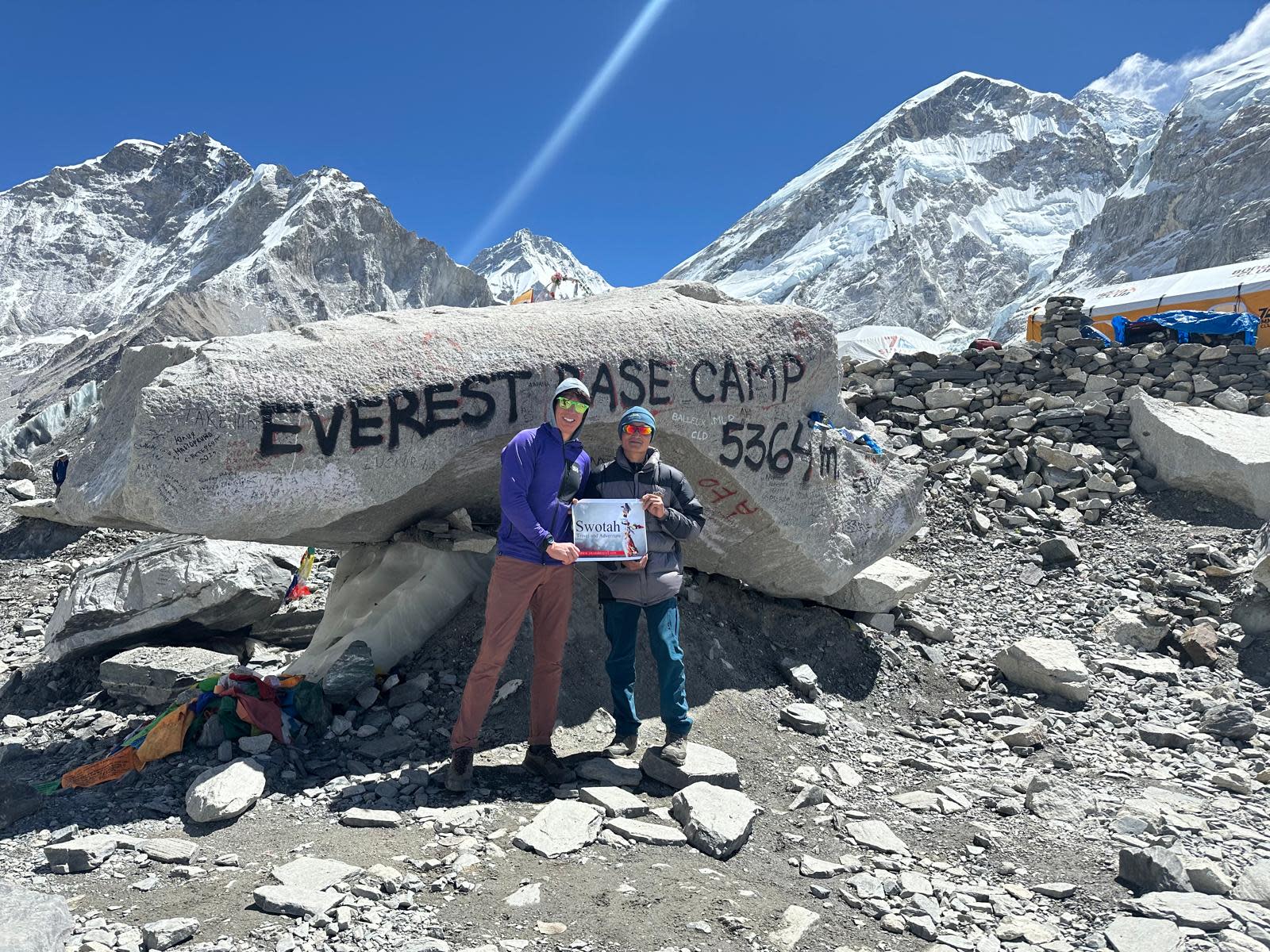

The most dangerous first-time trekking mistake in Nepal is going up too fast. Above 3,000 metres, sleep no more than 500 metres higher each night and add a rest night for every 1,000 metres gained. The most common costly mistakes are leaving no spare days after Lukla flights, carrying too little cash, and buying insurance that stops below your highest point. Each one is cheap to fix before you leave home.
Which mistakes matter most on a first Nepal trek?
Three kinds of mistake cause most of the trouble. Some put your health at risk, some cost you days, and some only cost money. This list starts with the serious ones, because a blister and a swollen brain do not deserve equal space.
| Mistake | What it can cost | The fix |
|---|---|---|
| Climbing too fast | Your health, or your life | 500 metres a night above 3,000 metres |
| Hiding symptoms | A mild illness turns severe | Stop climbing and tell your guide |
| Driving straight to a high place | Sickness with no time to adapt | Break the drive and sleep lower |
| No spare days | A missed flight home | Add 2 days on any Lukla trip |
| Wrong insurance | A rescue bill you pay yourself | Check the altitude limit in writing |
| Too little cash | No money for food or tips | Withdraw before you leave the city |
| A 15-day visa on a 14-day trek | Fines and stress | Buy 30 days |
Health mistakes that can end a trek
1. Choosing the shortest itinerary
Short itineraries look like good value, but the days they remove are usually the days your body needed. The CDC Yellow Book says itineraries on some Nepal routes, particularly Everest Base Camp, push the limits of many people's ability to acclimatise. It adds that altitude illness can approach 30% at higher elevations even on standard schedules, and it recommends adding extra days when you can.
Check any itinerary against the NHS rules before you pay. At 3,000 metres and above, do not sleep more than 500 metres higher than the night before, and take a rest day every 3 to 4 days. If a schedule breaks these rules, ask why. Our altitude sickness prevention guide explains the rules route by route.
2. Keeping quiet about a headache
A headache above 2,500 metres is altitude sickness until something else explains it. New trekkers often say nothing because they do not want to slow the group. The NHS lists headache, dizziness, tiredness, nausea, loss of appetite and poor sleep as the usual symptoms, and they normally start 6 to 10 hours after you arrive at a new height.
The right response is simple, and the NHS sets it out in order:
- Tell the people with you.
- Stop climbing and rest at the same height until you feel better.
- If symptoms get worse or do not improve after 1 day, go down 300 to 1,000 metres.
- If there is confusion, poor balance, breathlessness at rest or extreme drowsiness, get emergency help and go down straight away if you can.
Our guides carry pulse oximeters, but a good reading does not cancel a bad headache. Report how you feel, even if the number looks fine.
3. Driving high in one day
Roads now reach places that once took days to walk to, and your body does not adapt any faster in a jeep. ACAP figures reported in July 2026 show 25 altitude sickness deaths in the Annapurna Conservation Area in 2025/26, up from 21 in 2023/24 and 19 in 2024/25. Fifteen of the 25 were in Mustang and 8 in Manang. ACAP's chief said the illness is especially common among visitors who drive directly to high places such as Muktinath without time to adjust.
The NHS advice is direct: do not travel from below 1,200 metres to above 3,500 metres in one day. Treat a jeep ride as altitude gain, the same as walking. If you fly straight to a high place, rest for a day before going higher.

4. Taking altitude medicine without advice
Preventive medicine for altitude sickness is a prescription decision, so see a doctor or travel clinic before you fly. The NHS says a GP or travel clinic can prescribe it if you have had altitude sickness before or must climb quickly. Do not borrow pills from another trekker on the trail, and do not treat medicine as permission to climb faster. It does not replace a sensible schedule.
5. Careless water and skipped vaccines
Typhoid and cholera are risks in Nepal, according to the CDC page for Nepal travellers. It recommends hepatitis A for unvaccinated travellers and typhoid for most travellers, and it warns that dogs with rabies are common. See a travel clinic several weeks before you leave, treat your water, wash your hands, and keep away from dogs on the trail. The same page says typical Himalayan treks have no malaria transmission, so many trekkers do not need malaria tablets for the trek itself. Ask your clinic if you are also visiting the lowlands.
Planning mistakes that cost you days
6. No spare days around mountain flights
Mountain flights stop when the weather closes in, and a tight connection home is the classic first-trek error. The UK Foreign Office warns that internal flights in high mountain areas are often delayed or cancelled. In one October, bad weather stopped Ramechhap to Lukla flights for five days. Keep at least 2 spare days in Kathmandu before your international flight. Our Kathmandu to Lukla flight guide explains why many flights leave from Ramechhap in high season.
7. Picking a season without checking the trail
The 2026 monsoon is a clear warning against relying on old information. Floods after August 2026 changed access to several routes, and our Langtang Valley trek now runs for 11 days from Dhunche because of them. Before you book, read our Nepal floods update and ask for current trail conditions. Blog posts from last year may describe a road or bridge that no longer exists.
8. Assuming you can walk alone
A licensed guide has been required for foreign trekkers since 2023, so many older solo-trek guides are out of date. The rule is disputed in the Khumbu, where the local municipality rejects it while the Tourism Board still lists Everest. The UK Foreign Office says people who ignore the rule in national parks and protected areas can be fined or removed. Read the current guide rule before you plan around it.
Money mistakes that hurt later
9. Buying insurance without reading the altitude limit
Insurance limits are written in metres, and many normal policies stop well below trekking height. Everest Base Camp treks reach 5,545 metres at Kala Patthar. Get the limit and the helicopter cover in writing, and read our trekking insurance guide before you pay. The UK Foreign Office also says you may be asked to show cover for healthcare, repatriation and emergencies at the border.
10. Choosing the cheapest deal without asking why
A very low price has to come from somewhere, often from staff pay, group safety or both. The UK Foreign Office warns about very cheap trekking deals and says some guides have called in expensive helicopter rescues and taken a cut of the cost. Our guide to helicopter rescue fraud shows what a genuine rescue looks like and who should approve it.
11. Leaving the city with too little cash
Remote trails run on cash, and the UK Foreign Office warns that ATMs may be unavailable and cards may not be accepted in remote areas. Withdraw what you need in Kathmandu or Pokhara, then add some extra for delays. Tips are the line most first-time trekkers forget, so check our tipping guide and carry that money from the start.
12. Buying a visa that is too short
A 14-day trek does not fit a 15-day visa once you add arrival, a briefing and one flight delay. The Department of Immigration charges USD 30 for 15 days and USD 50 for 30 days, while a late overstay costs USD 5 a day. Spending the extra USD 20 is the cheaper choice.
Gear mistakes you will feel by day two
New boots cause the most misery for the least reason. Wear yours on long walks at home for several weeks before you fly, with the same socks you plan to trek in.
Too much luggage comes next. Lukla flights allow only about 10 kilograms of checked baggage plus 5 kilograms of hand luggage, so a large bag may need to stay in Kathmandu. Our Nepal trekking packing list shows what to bring and what you can rent in Thamel or Pokhara.

What should a first-timer actually book?
Start with a shorter, lower route if you have never walked for several days in a row. The 5-day Poon Hill trek tops out at 3,210 metres and is rated easy, so you can learn trail life with far less altitude risk. Our guide to easy treks in Nepal compares other starter routes.
If your heart is set on a big goal, choose the longer version. The 14-day Everest Base Camp trek reaches 5,545 metres, and the extra days are part of what makes that height realistic.
Want a second opinion on an itinerary you have found? Send it to us and ask us to check the sleeping heights, spare days and cash plan with you.

Frequently asked questions
What is the biggest mistake first-time trekkers make in Nepal?
Going up too fast is the biggest mistake. Above 3,000 metres, sleep no more than 500 metres higher each night and take regular rest nights. Stop climbing as soon as you have symptoms, and go down if they get worse.
How many spare days should I keep after a Lukla trek?
Keep at least 2 days in Kathmandu before your flight home. This is our planning advice, not a rule. Flights can stop for longer, as one five-day stoppage showed, so more time is safer in unsettled weather.
Can a complete beginner trek in Nepal?
Yes. A beginner can start on a low, short route such as the 5-day Poon Hill trek. You still need to train for several hours of uphill walking a day, because easy here means lower altitude and not flat ground.

Founder & Lead Guide, Annapurna Trekking
AJ founded Annapurna Trekking in 2016 and has personally guided treks across Nepal ever since. More about our team →