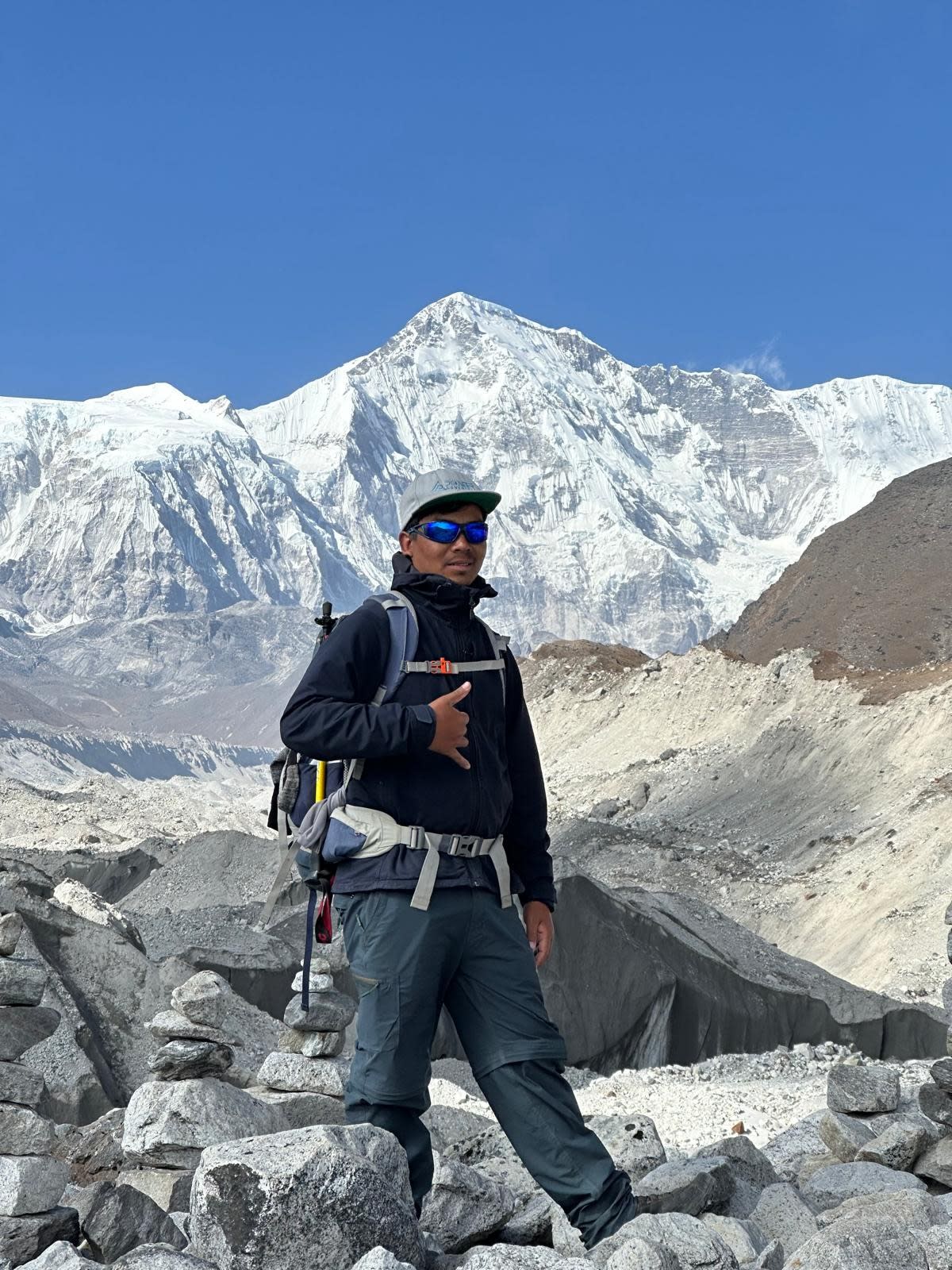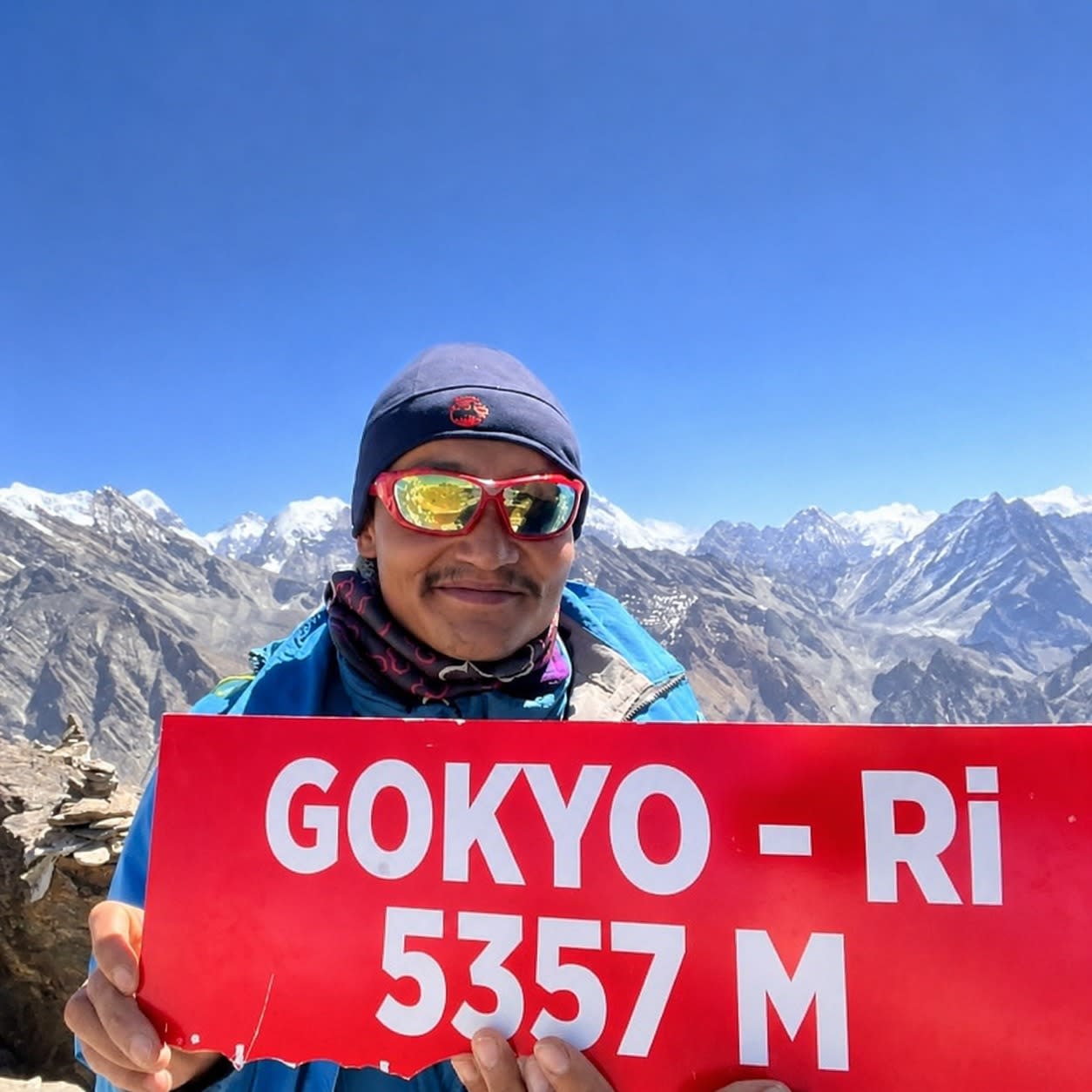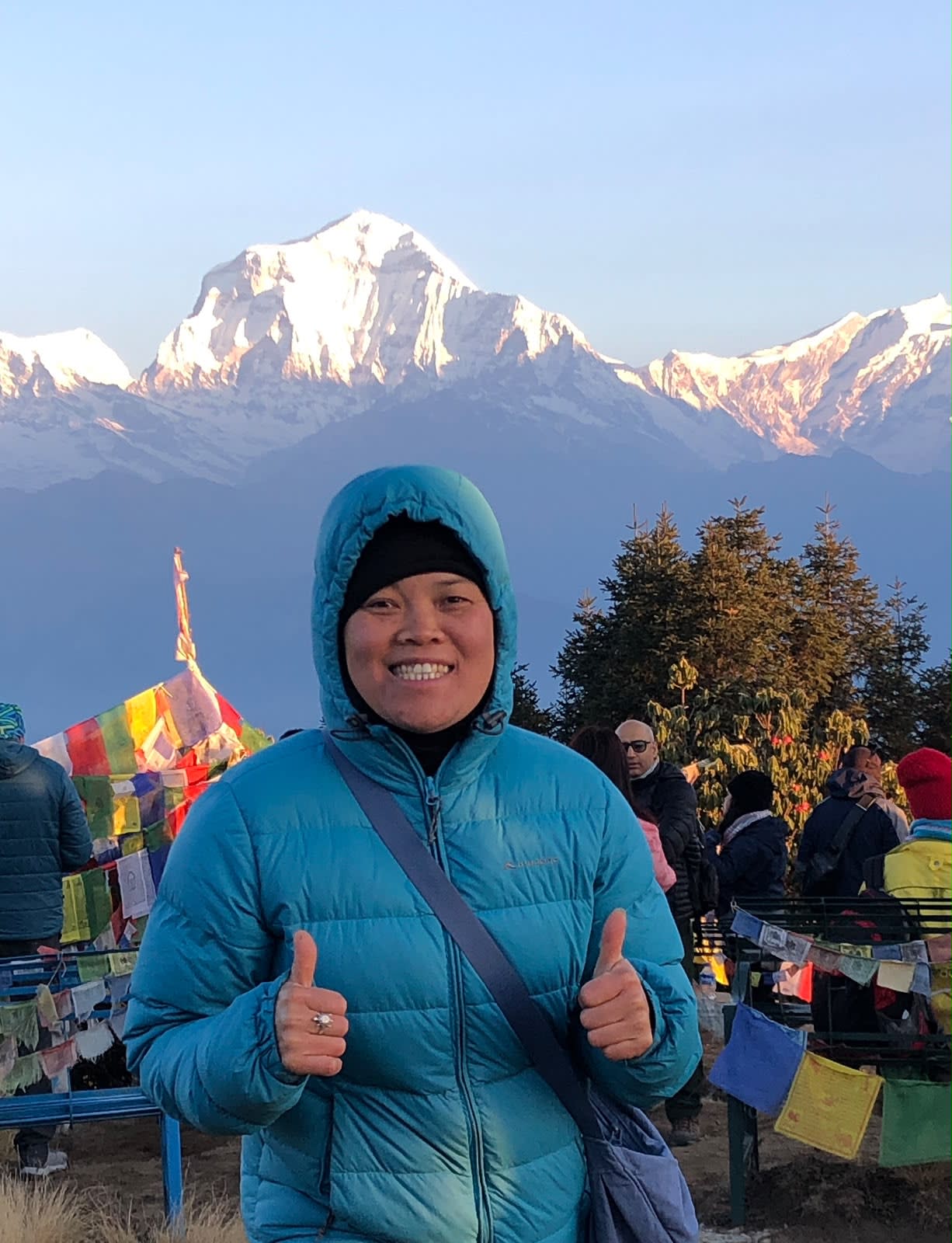

The best winter treks in Nepal stay below about 4,000 to 4,500 metres. Poon Hill is the safest choice. Mardi Himal and Annapurna Base Camp suit prepared trekkers, with December easier than January. Everest Base Camp is possible but very cold. High passes such as Larkya La and Cho La are often blocked by snow. Winter runs from December to February, with mostly dry days, clear views, fewer people and cold nights.
Which trek should you choose in winter?
Choose by your highest sleeping altitude, because that sets how cold your nights will be and how likely snow is to affect you. Air cools by about 6.5°C for every 1,000 metres you climb, and wind can make it feel about 10°C colder.
| Trek | Highest point | Winter verdict | Main thing to know |
|---|---|---|---|
| Poon Hill | 3,210 m | Best choice | Short and low. Expect cold mornings and possible ice on steps. |
| Mardi Himal | 4,500 m | Good with care | Snow is heaviest above High Camp in January and February. |
| Annapurna Base Camp | 4,130 m | December is best | Avalanche risk above Dovan after heavy snow. |
| Langtang Valley | 4,773 m | December only for most | Nights near -8 to -10°C at Kyanjin Gompa. Check flood access first. |
| Everest Base Camp | 5,545 m | Hard but possible | Nights can reach -20°C above 4,000 m. Fog can delay flights. |
| Annapurna Circuit | 5,416 m | Risky in January | Thorong La can close after heavy snow. Walk it only with a flexible plan. |
| Manaslu Circuit | 5,106 m | Not recommended | Larkya La is usually blocked in winter, and some lodges close. |
High trails carry more risk than this table can show. Cho La is often impassable after snow, and the Tilicho Lake trail crosses a landslide section that becomes dangerous. Kang La on the Nar Phu route is unreliable from late December.

What is each winter month like?
The three months are not the same, so your dates matter as much as your route.
| Month | Weather | Best use |
|---|---|---|
| December | Cool, dry and clear. Morning fog begins in the valleys. | The best winter month, and good for most routes below 4,500 m. |
| January | The coldest month. High passes are often snowbound. | Low treks only, such as Poon Hill. |
| February | Slowly warming, but storms can still bring snow. | Low and middle treks. Late February opens more options. |
Our own season ratings for Annapurna Base Camp follow the same pattern. We class December and February as shoulder months and January as one to avoid.
How cold does it get?
These are rough figures from trekking guides, not weather station records, and a storm can change them quickly.
- Annapurna Base Camp: about 0 to 5°C by day and -10 to -15°C at night.
- Kyanjin Gompa, Langtang: about -8 to -10°C at night.
- Above 4,000 metres in the Everest region: as low as about -20°C at night.
- Thorong La area: about -15°C at night, and colder with wind.
Sunset comes around 5:30 pm, so start early. Most teahouse bedrooms have no heating, and warmth is usually limited to the dining room stove.
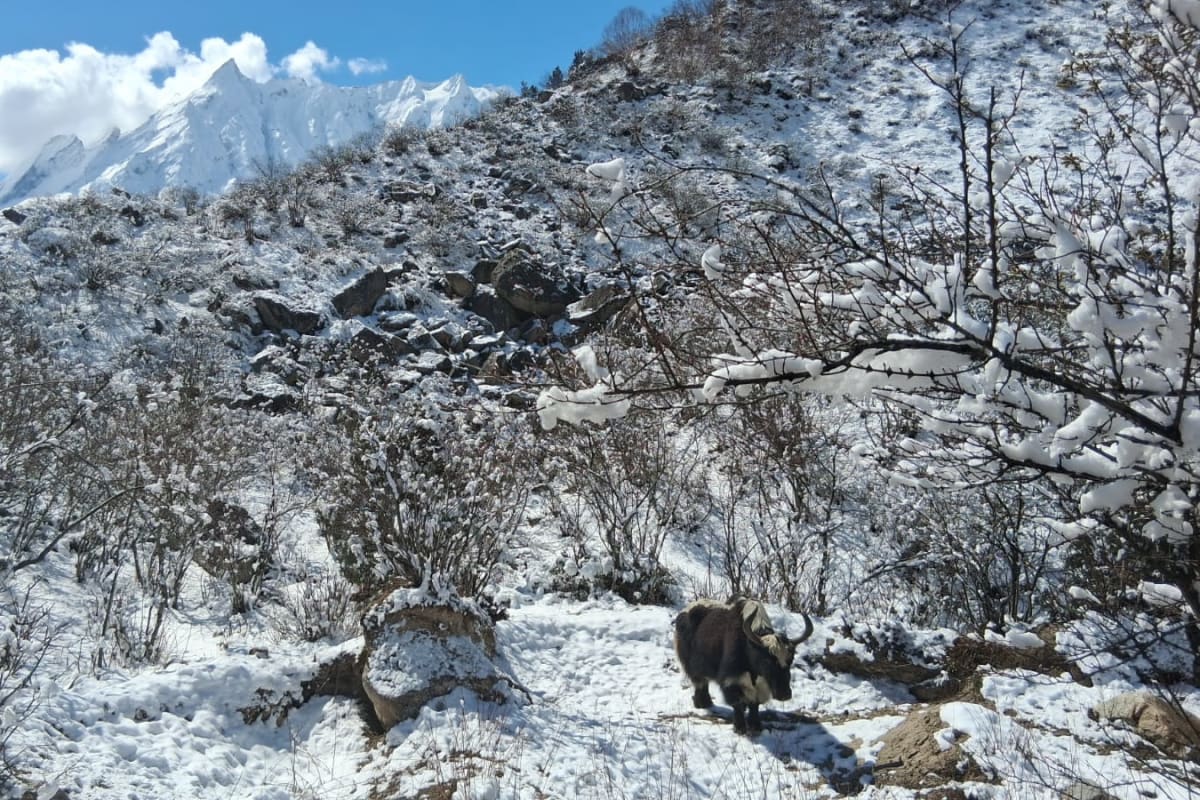
What are the main winter risks?
Avalanches and heavy snow
Fresh snow can make steep valleys dangerous. In January 2020 an avalanche on the Annapurna Base Camp route, near Deurali, buried trekkers and guides, and search teams needed months to recover the bodies. After heavy snow, wait for local advice, even if it costs you a day or the base camp itself. Our Annapurna Base Camp safety guide explains where the risk is highest.
Closed lodges
Some teahouses above about 4,000 metres close for winter, especially on Manaslu and Nar Phu. Food choices are smaller as well. Confirm where you will sleep before you leave the last big village.
Delayed flights
Morning fog in Kathmandu and Pokhara can delay flights, and a missed Lukla connection can move you back a day. Add at least one spare day for an Everest trek, or two if you have a tight flight home. Flights to Lukla usually leave from Kathmandu in the quiet season, but confirm this with your agency, because some leave from Manthali. Our Lukla flight guide explains the options.
Altitude feels harder in the cold
People drink less when it is cold, and headaches and tiredness can be harder to read. Keep drinking, go slowly, and follow our altitude sickness guide.
What should you pack for a winter trek?
Start with our Nepal trekking packing list, then add or upgrade these items.
- A warm down jacket, and a sleeping bag rated for the coldest night on your route. Many trekkers choose about -15°C or lower above 4,000 metres.
- Microspikes and trekking poles for icy steps.
- Warm hat, thick gloves with a liner, and warm socks for sleeping.
- Insulated water bottles. A hot water bottle inside your sleeping bag helps a lot.
- Sunglasses and sunscreen, because sun on snow is strong.
- Spare batteries kept warm, as cold drains them fast.
Check your trekking insurance too, and make sure it covers your route in winter conditions.
Is a winter trek right for you?
Winter suits you if you like quiet trails and clear mountain views and can accept cold, basic rooms and a flexible plan. If this is your first high trek, or you have a fixed date to reach a pass, choose Poon Hill in winter or wait for spring or autumn. You can ask us about winter dates for your route and we will tell you honestly if another month would suit you better.
Frequently asked questions
Can you trek in Nepal in winter?
Yes. Low and middle routes such as Poon Hill and Mardi Himal work well, especially in December. High passes above about 5,000 metres are often closed by snow, so choose your route carefully.
Is Everest Base Camp possible in December or January?
Yes, but it is hard. Nights above 4,000 metres can reach about -20°C, and flights to Lukla can be delayed. December is usually easier than January. Pack properly and add spare days.
Is Annapurna Base Camp open in winter?
The route usually stays open, but heavy snow can block the upper section and raise avalanche risk near Deurali. December is the better choice. January is the hardest month, so follow local advice about snow.
Is Thorong La open in winter?
Sometimes. Sources disagree, and conditions vary from year to year. The pass can close for days after heavy snow, and January is the riskiest month. Build in spare days and be ready to turn back.
Is winter cheaper for trekking in Nepal?
Trails are quieter, and flights and hotels can be easier to book. Do not assume a big discount, as your main costs stay the same. Warmer gear can also add to your budget.
Related guides

Founder & Lead Guide, Annapurna Trekking
AJ founded Annapurna Trekking in 2016 and has personally guided treks across Nepal ever since. More about our team →